Creating School Meals with Culture and Community in Mind
Olivia Deng

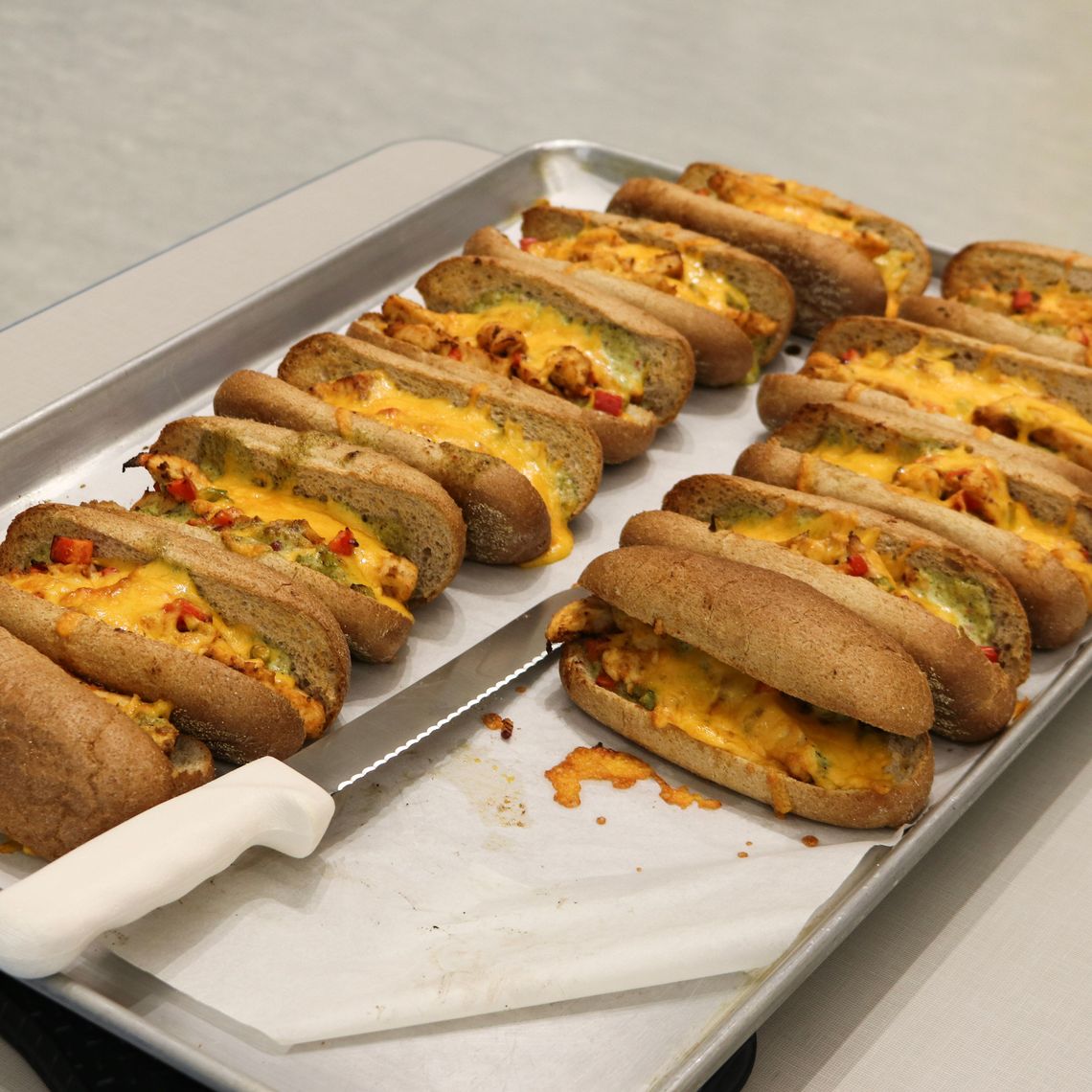
Excitement buzzed through Lawrence’s Leahy Middle School as nutrition professionals gathered for a professional development training with Project Bread. The team sharpened their knife skills and dove into creating vibrant, culturally relevant meals, crafting flavorful chicken adobo from the Philippines and a chicken cheesesteak with a vibrant cilantro sauce.
The training is part of Project Bread’s approach to feeding kids in schools, working with school nutrition staff to build the skills and confidence they need to create meals students actually want to eat.
The result goes beyond a new recipe on the lunch menu. When students enjoy the meals being served, they’re more likely to choose school lunch. That means more kids have access to a nutritious meal during the school day.
“We do that through professional development for school nutrition staff. We do that through recipes, recipe testing, and development that's done collaboratively with the districts and with plenty of student feedback to ensure that the kids really enjoy the recipes,” said Sam Icklan, Director of Community Nutrition Services at Project Bread.
For Lawrence Public Schools, that partnership is part of a much larger effort to make school meals accessible and inspire students across the district to participate. Lawrence has 19 schools and approximately 140 nutrition staff members. Every school serves free breakfast and lunch to all students.
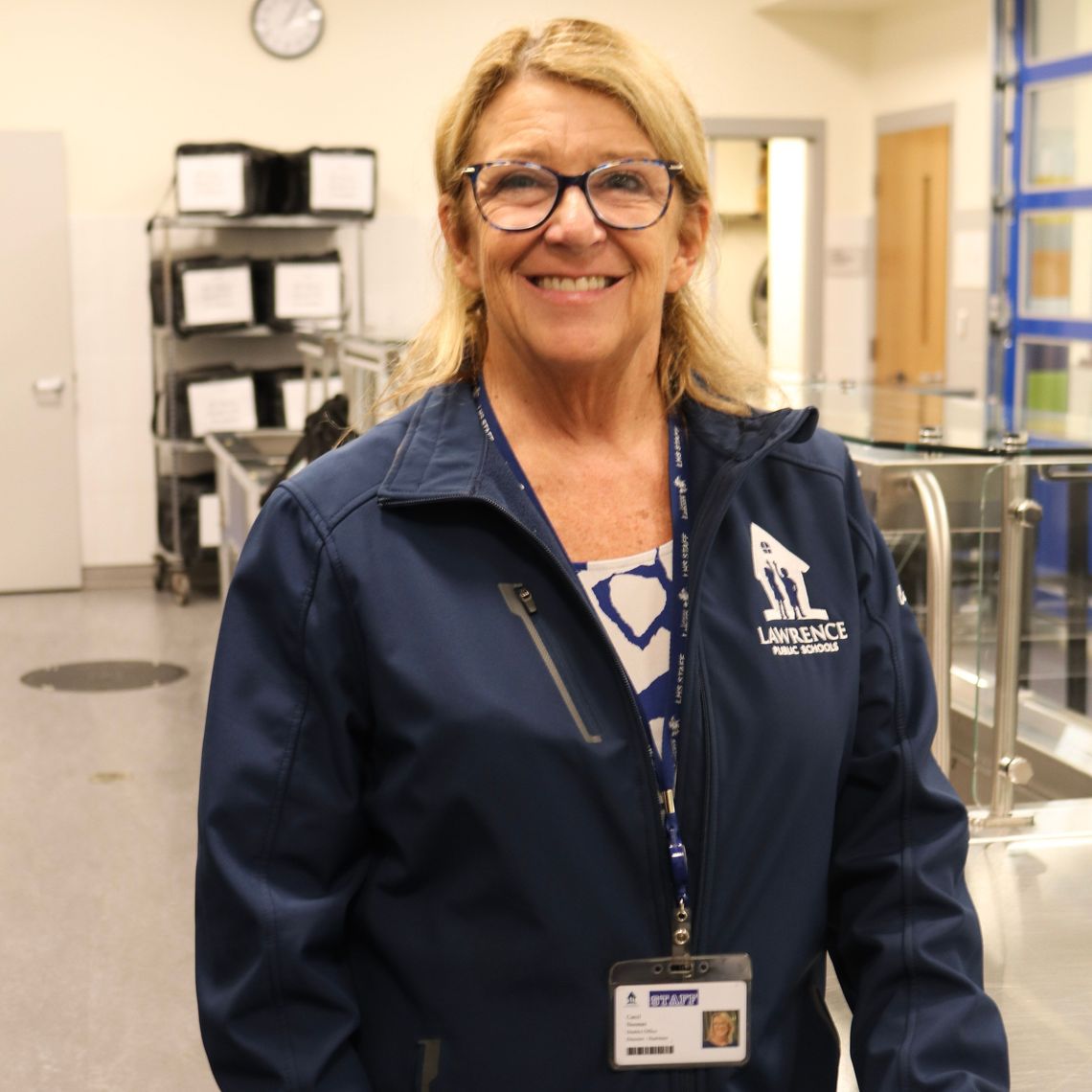
Carol Noonan, Nutrition Services Director for Lawrence Public Schools, said the district sees access to nutritious meals as an important part of supporting students throughout the school day.
“I believe that every child should have access to the meals, without any stigma against them. And I feel that they need that fuel to get into the school to start their day,” Noonan said.
The district is also working to increase participation in its breakfast program. Some Lawrence schools currently have breakfast participation rates of 90 to 95 percent, while the district’s goal is to reach 70 percent breakfast participation across the district by the end of the school year. Lunch participation is currently around 70 percent.
For more than 30 years, Project Bread has been helping change what the start of the school day looks like for Massachusetts students. In partnership with the Massachusetts Department of Elementary and Secondary Education, we work with schools to bring breakfast into the school day, making sure more kids have the fuel they need to learn, grow, and thrive.
Better School Meals
Lawrence Public Schools is part of Project Bread’s School Food Fellowship, a year-long professional development opportunity for school nutrition professionals that combines online training and in-person visits. This year, the fellowship includes school districts in Lawrence, Worcester, and Holyoke.

Fellowship participants receive weekly site visits from Project Bread chef educators and participate in monthly online professional development on topics relevant to their work. The program also connects school nutrition professionals from different districts so they can share ideas and learn from one another.
“They get to be part of a really cool community of school nutrition staff all across the state who are invested in their meal programs and in the students that they're serving, and are a great source of inspiration to one another and to us,” Icklan said.
Lawrence’s relationship with Project Bread stretches back much further than the current School Food Fellowship. Noonan said the district has worked with Project Bread for at least 16 years. “We have a great, great partnership with them,” she said.
That partnership includes hands-on training for the people preparing meals in Lawrence’s schools. “The chefs that come in do great training. They teach our staff skills that they may have, but they improve the skills that they can use in their kitchens,” Noonan said.
At Leahy Middle School, that training included knife skills and recipe development. In addition to introducing recipes, the goal is to build skills that school nutrition professionals can bring back to their kitchens as they prepare more food from scratch and work with new ingredients and techniques.
From a School Cook's Kitchen to the Menu
One of the most exciting parts of our work is helping school staff turn their own ideas into meals students love. They know their students best, drawing on their creativity, what they’ve learned about the foods and flavors students enjoy, and often their own personal and cultural backgrounds to bring new ideas to the menu.
Project Bread Chef Educator Ryan Eckles experienced that collaborative process while working with Horace Mann Laboratory School in Salem.
Eckles worked primarily with Ghada, the school’s head cook. Ghada is from Lebanon and regularly talked about bringing flavors from home into school meals. Those conversations became the starting point for the school’s shawarma recipe.
“I aim to be their friend, ask about their day, learn about them. We develop recipes with them because they have invaluable insight into what their kids like to eat,” Eckles said.
The Horace Mann team also contributed ideas throughout recipe development. One of the biggest challenges school nutrition staff face is turning their creative ideas into meals that work in a school setting. They balance the flavors and ingredients that make a dish delicious and familiar with the USDA’s nutrition requirements, finding the sweet spot where a meal is both nutritious and something students will actually want to eat.
Eckles brought several shawarma recipes to the team so they could compare the ingredients. Ghada shared which ingredients she liked and which she wanted to leave out. She preferred a red tint to her shawarma, so the team omitted turmeric.
The team then tested the seasoning with meat and worked through the other ingredients. They had run out of honey and did not carry raw sugar, so they chose between grape jelly and maple syrup. The staff selected maple syrup and paired it with cider vinegar.
“And the rest is history,” Eckles said. The final spice blend included chili powder, garlic powder, onion powder, coriander, cardamom, cinnamon, black pepper, allspice, clove, and nutmeg. The blend became a flexible ingredient for the Horace Mann menu. The school used it for chicken wraps, salads, rice bowls, the salad bar, nachos, and flatbread.
“It can be used on any protein or vegetable that benefits from a quick roast or char. The vinegar and sugars caramelize with the toasted spices to leave a deliciously deep, sweet, and savory flavor,” Eckles said.
The recipe also showed how a single seasoning can adapt across different school meals. Rather than limiting the shawarma seasoning to one entrée, the team found ways to use it in different formats throughout the menu. Other districts have begun using the seasoning, putting their own take and creative spin on dishes. Eckles said Chicopee had a local spice maker produce the blend in bulk so the district could distribute it to schools. Students are eating it up!
Bringing Different Backgrounds into the Cafeteria
The shawarma recipe was born from Ghada’s culinary background. Project Bread encourages collaboration that empowers school nutrition professionals to contribute knowledge from their own cooking experiences. Shawarma is just one example of how Project Bread works alongside school nutrition teams to turn their ideas, expertise, and creativity into meals that reflect their students. When students see themselves reflected in their meals, they’re excited to eat.

they’re more excited to cook a dish that they identify with rather than things they don’t eat or didn’t grow up with,” Eckles said.
School nutrition professionals bring knowledge of their students, their kitchens, and the food they cook at home. That knowledge can help shape recipes that work in a school setting while reflecting the communities those schools serve.
Eckles also described recipe development as a way to build team morale and support staff buy-in. When a district’s own nutrition team helps develop a recipe, the process can make it easier to introduce that recipe and other new menu concepts.
“We try to marry all that into recipe development, where at the end of my time there, we’ve developed a recipe that their kids love, and they helped create,” Eckles said.
Familiar Foods and New Flavors
Culturally relevant meals can give students opportunities to encounter foods they recognize while introducing other students to new flavors and dishes.
“I think the more comfortable a student feels at school, the more successful they can be. So, if serving a lunch that they recognize and/or love puts them at ease for a few minutes during a chaotic day, that’s a win,” Eckles said.
He also sees variety as key to keeping students interested in school meals. “Variety is the spice of life! I think seeing new flavors and dishes keeps the kids engaged and helps introduce new flavors to some while also providing familiarity to many others,” Eckles said.
A menu can include familiar dishes alongside foods students may encounter for the first time. Chicken adobo at Leahy Middle School, for example, gives students a chance to try a Filipino dish, while the chicken cheesesteak with cilantro sauce gives the nutrition team another way to use familiar ingredients in a new combination.
That balance between familiarity and variety is part of the recipe development process. Project Bread works with school nutrition teams to test recipes, gather student feedback, and make adjustments based on what works in each district.
Supporting the People Who Prepare School Meals
Work at Leahy Middle School, Horace Mann, and more schools reflects Project Bread’s approach to supporting the people who feed students every day.
At Leahy, nutrition professionals are building knife skills and practicing recipes that can support scratch cooking. Through the School Food Fellowship, they also regularly work with Project Bread chef educators, participate in professional development, and connect with nutrition professionals from other districts.
At Horace Mann, collaboration with the school nutrition team led to a shawarma seasoning shaped by Ghada’s Lebanese background, her colleagues’ ideas, the realities of a school kitchen, and student feedback.
In Lawrence, the partnership with Project Bread has supported school nutrition professionals for more than a decade, with hands-on training designed to strengthen the skills they use in their kitchens.
For the people preparing school meals, that support can take many forms: learning knife skills, developing recipes, testing new flavors, adapting dishes for a school kitchen, or sharing ideas with colleagues across the state.
It starts with the people in the cafeteria and kitchen—nutrition professionals who know their students, understand their schools, and bring their unique experiences to every meal they prepare. Their insights help create menus that give students access to nutritious meals, comforting favorites, and exciting new flavors, all woven seamlessly into the school day.
Ultimately, this effort ensures kids have meals they’re eager to eat—meals that fuel their bodies and minds, help them feel good, and set them up to focus, learn, and thrive.