Nurturing a Hunger for Leadership in the Face of Fear
Wendy Bongjoh
Resolutions for 2026 are in full swing, serving as a relief from a year marked by unprecedented change. Advocating for my community through the food system sector, I felt vulnerable. I saw firsthand the harmful effects that the government shutdown and SNAP funding freeze had on so many people. Beyond impacts on finances and resources, our neighbors endured anxiety, stress, fear, and depression. SNAP benefits are back now, but the uncertainty and fear linger for many.
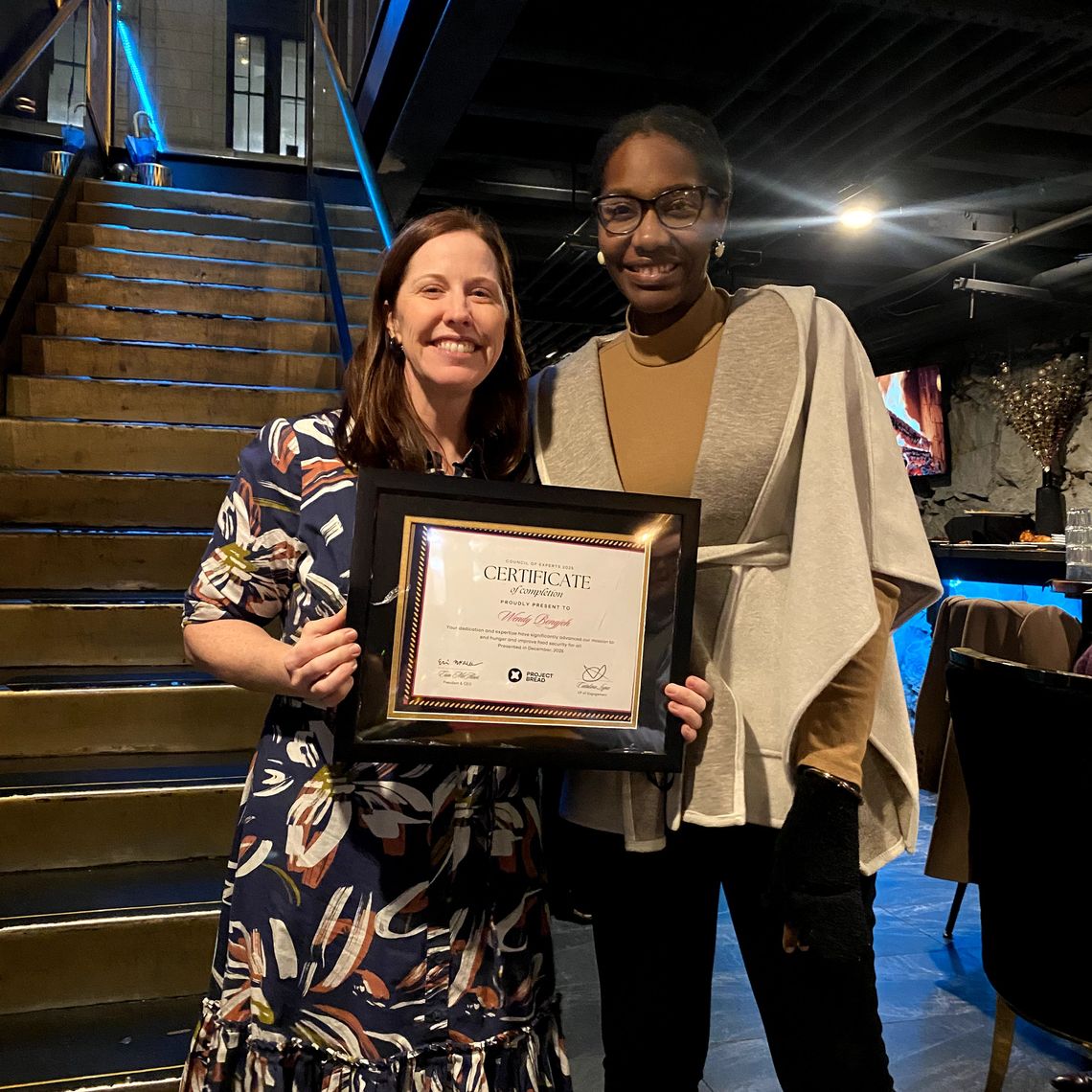
I welcome this new year, carrying the lessons of 2025 with me, as I aspire to become a stronger community advocate. One such lesson was my time on Project Bread’s Council of Experts (COE), a recent initiative for people like me to help improve Project Bread’s anti-hunger work and advocacy through our first-hand insights of food insecurity. Of the opportunities I had as a Council member, the Rally for SNAP at the MA State House stood as the silver lining of my COE journey.

It was October 28, 2025. I got off the T at Park Street and walked toward the Massachusetts State House minutes from the official start of the rally. Impressively, amidst the cold winter weather, more than 100 anti-hunger advocates had already gathered. Some caught my attention, holding clever, funny signs like “Trump SNAP out of it.” Reporters and well-known leaders were there too, and the energy was high. It was clear this rally would leave a lasting mark on the fight against hunger in Massachusetts.
As I inched toward the State House steps, fear and doubt started to settle in. I questioned whether it was appropriate for me to be the rally. In addition to attacks on food assistance programs like SNAP, 2025 brought unprecedented actions against immigrants and naturalized citizens. The national debate on immigration weighed heavily on my mind, making me wonder if I had a place at the rally and within the anti-hunger movement I was witnessing.
“And then, there was the reality that I had just recently secured housing after a yearlong stay at homeless shelters. The experience of formerly being homeless left me disempowered, as I had lost so much during that time. I was afraid to take risks that could put me in a position where I would lose even more.”
Leading up to the rally, I wrestled with my thoughts. Should I skip this high-profile event? How could I miss such an opportunity to stand up for food access? As part of my Council duties, I drafted a set of values for Project Bread’s Make Hunger History Coalition: a diverse coalition of advocates, policymakers, businesses, individuals with lived expertise, and community members collaborating to end hunger for everyone in our state for good. One of these values was “relentlessness,” which I defined as follows:
“Choosing to not to give up in the fight towards co-creating an anti-hunger world in Massachusetts. Challenges are inevitable. They will arise and test our ability to stay connected, motivated, and committed to our common goal... these challenges present a golden opportunity to exercise boldness…”
I wrote this with the intention that people would be bold and relentless for me because it had become too risky for me to be bold. My background as an immigrant and a formerly homeless person made me unfit to meet these expectations.
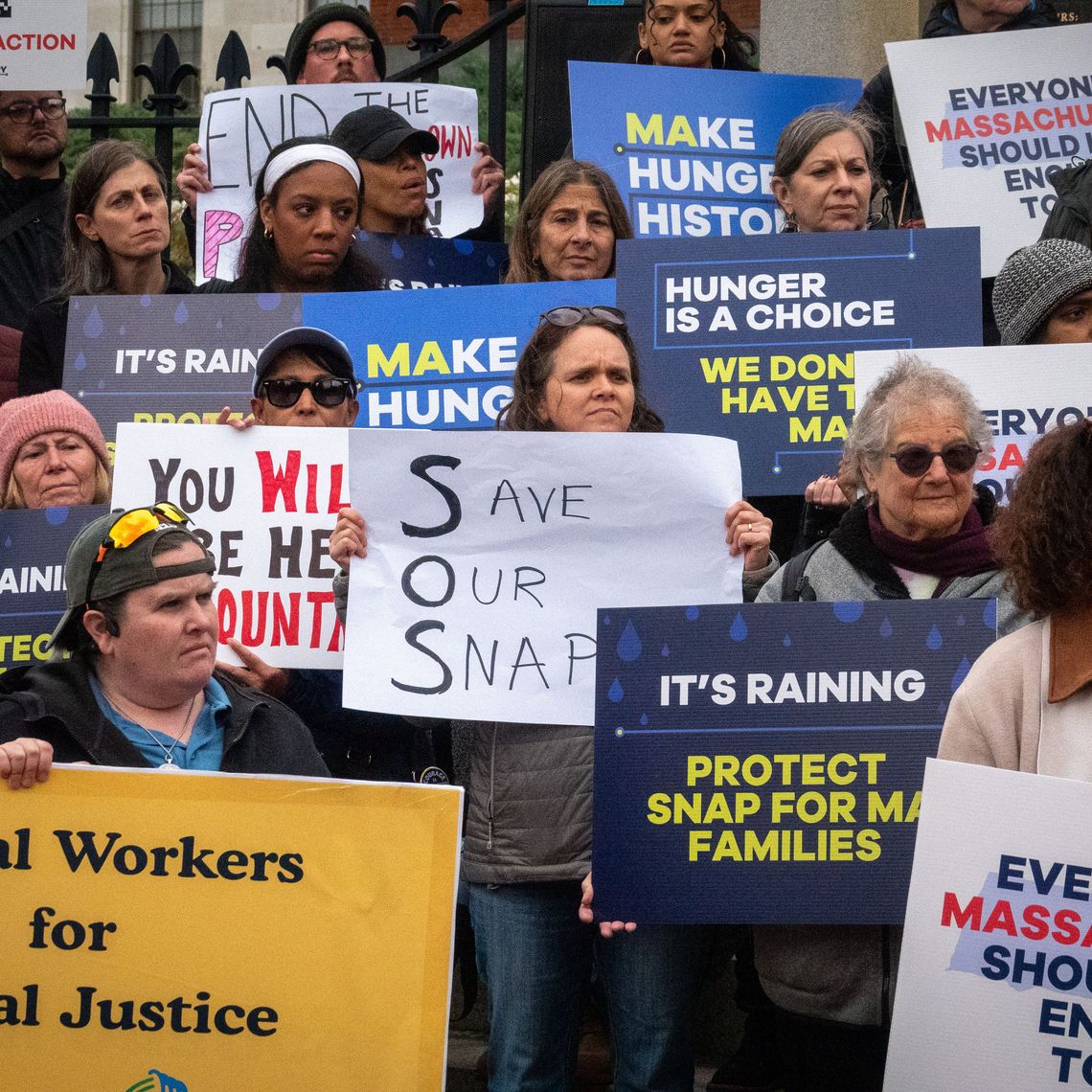
I stood in the crowd feeling nervous, anxious, and uncertain. Then I saw a familiar face, a fellow immigrant. We greeted each other from afar with smiles radiating across our faces, and suddenly my guards were let down. I gravitated toward them on the steps of the State House.
In that moment, it felt natural to let go of the fear holding me back, and without even realizing it, I had already stepped into the leadership role I had signed up for when I joined the Council of Experts. The truth is, if I had stayed back instead of joining the crowd on the steps of the State House, I would have let myself down, along with my fellow Council members, and everything I believed in.
Even though fear and anxiety were with me, I was ready for that moment. I had taken leadership training as part of the Council curriculum. With guidance from Abel Cano from the Arc of Change, I learned what it meant to be a leader. As Abel described it, using Professor Marshall Ganz’s definition from the Harvard Kennedy School, being a leader is “accepting responsibility for enabling others to achieve shared purpose in the face of uncertainty.”
In the face of my own uncertainty, I thank God I had my fellow immigrant friend to snap me out of my fears and remind me what leadership looks like. After all, I didn’t sign up to join Project Bread’s Council of Experts just to stand on the sidelines of a historic moment.
As I think back on my time at the rally and with Project Bread, I’m eager to give back the same kindness I received. I invite everyone connected to the anti-hunger movement to start the New Year by letting go of fear, worry, and stress. Instead, let’s hold on to the hope we built at the rally and keep working together to fix the problems in our food system. Please remember, you are not alone. You have support from the MHH coalition on a statewide level. Locally, you can connect to Vital Cxns’ NFAC initiative, which is a powerhouse when it comes to community-driven advocacy. Regionally, you have the North American Food System Network, which provides various kinds of support to professionals working within the food system. And if you are still looking for more, feel free to check out the Massachusetts Food System Collaborative Resources webpage to access the wealth of tools and support you need during this critical time.
All in all, remember that you are fighting for a cause that truly matters. We all need food to live and thrive. And with over 1 in 3 Massachusetts households facing hunger — there is so much work to be done, and there is space for leaders like you to step up and make a difference.