Summer Eats Expands Meal Access for Kids and Teens
Olivia Deng

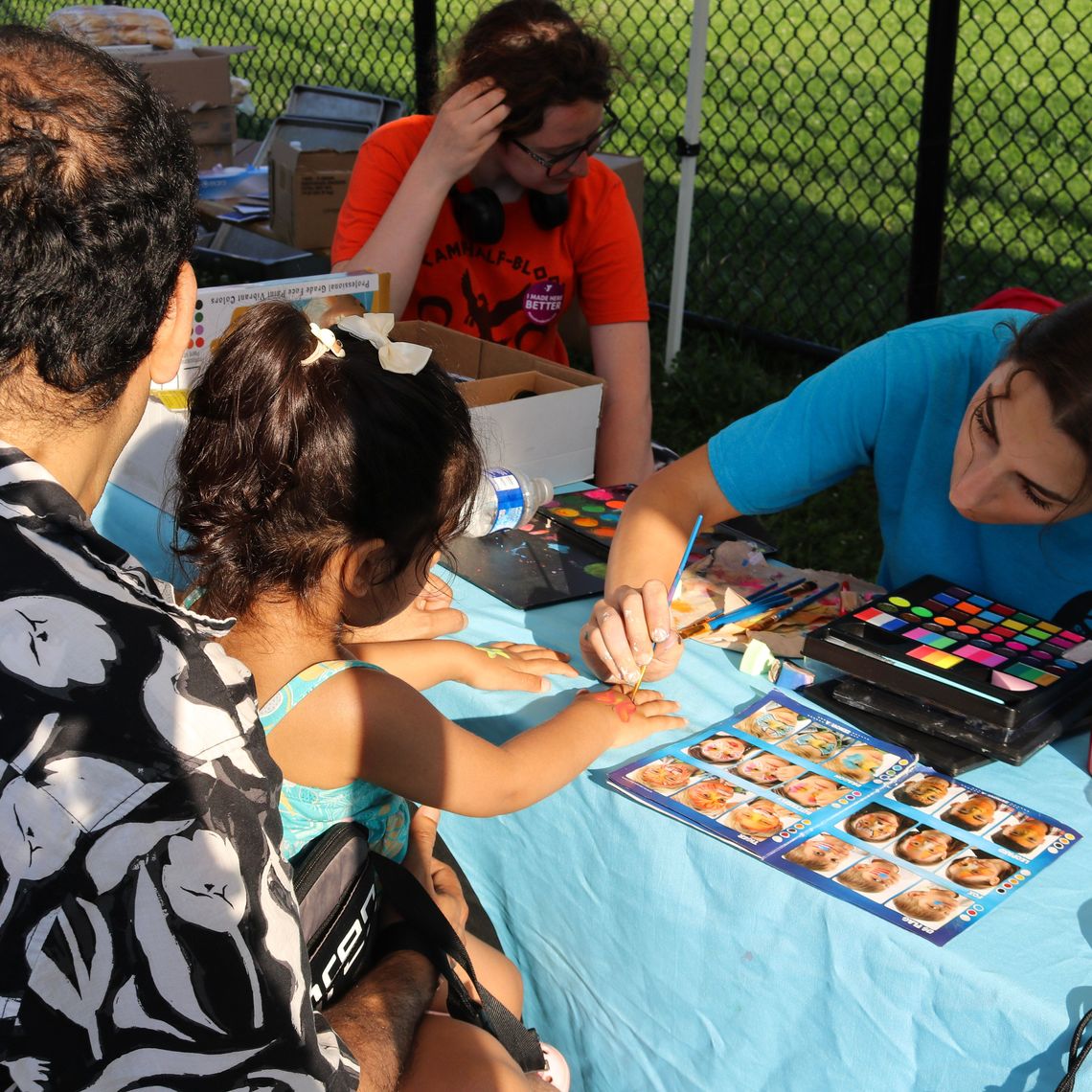
The scene at Waltham Common’s Summer Eats Kickoff was lively and buzzing with excitement. Kids lined up for an inflatable slide, waiting their turn, while others headed toward face-painting tables, where painters adorned faces with bright, colorful designs. A DJ played music that carried across the park, pumping up the energy. A petting zoo with goats and alpacas entertains kids nearby, drawing steady attention throughout the afternoon as kids stop in between activities to feed the animals.
In the thick of it all, meals were served continuously. Kids and teens 18 and under enjoyed a chicken salad wrap, with a side of tomatoes and cucumbers. Some children ate quickly before heading back to play, while others sat with family and friends under the shade and took a break before rejoining the activities.
The Growing Gap in Summer Food Access
For many families, school meals are not supplemental—they are a core part of the household food budget. When school closes, that consistent support ends immediately, while other costs often increase during the summer months.
Families are navigating persistent financial pressure from high grocery prices, childcare expenses, and more. Even small changes in food assistance can have an immediate impact on day-to-day budgeting.
This year, that pressure is compounded by uncertainty around SNAP benefits and other food assistance programs. When benefits are reduced, delayed, or stretched further to cover rising costs, families have fewer resources available to fill the gap left by school meals.
When the school year ends, children across Massachusetts do not have to lose access to free meals, thanks to Summer Eats. The program provides a consistent, no-cost source of meals for kids and teens during the summer months.
“Summer Eats provides families an opportunity to access healthy meals for their children all summer long. At a time when living costs are high, it lightens the load for families and the kids love the nutritious meals and the activities at many Summer Eats sites,” said Sharon Johnson, Assistant Director, Child Nutrition Outreach Program at Project Bread.
What is Summer Eats?
Summer Eats is a statewide summer meals program run in partnership with the Massachusetts Department of Elementary and Secondary Education and implemented by local school districts and community-based organizations.
The program provides free meals to all children and teens ages 18 and under at sites across Massachusetts. These sites are intentionally located in places where families already spend time—schools, libraries, parks, housing communities, and other public gathering spaces.
Project Bread helps communities expand access to free meals by providing grants, technical assistance, outreach materials, and operational guidance.
In 2025, nearly 3 million meals were served through Summer Eats at 1,500 sites statewide, reflecting both the scale of need and the infrastructure required to meet it.
Strengthening Local Capacity to Reach Families
While federal funding supports the meals themselves, the ability to reach families depends heavily on local systems—transportation, staffing, communications, and coordination.
This year, $250,000 was awarded to over 50 sponsors to support Summer Eats programs. Over $112,000 worth of promotional materials were provided for free to over 85 sponsors statewide.

In areas that are designated rural by the USDA, sponsors are able to offer Grab & Go meals. In previous years, grantees have used funds to expand the number of sites they operated and implement Grab & Go models designed to improve accessibility for families who cannot easily travel to meal locations. The Triton Regional School District is one example. The district extended Summer Eats across five communities—Rowley, Newbury, Salisbury, Byfield, and Ipswich—and supported multiple Grab & Go locations to increase reach.
In Ipswich alone, 7,456 breakfasts and lunches were served across two Grab & Go sites in its first year. Project Bread grant funding supported transportation logistics and helped expand programming at each location.
These operational details are critical because summer meals are not just about food availability; they depend on whether families can realistically access those meals where they live.
For many families, Summer Eats reduces both financial pressure and the daily logistics of summer childcare and meal planning. Parents often describe the program as taking one thing off their plate.
Becca Masterson, a parent who attended the Summer Eats Kickoff in Waltham, first learned about the program through a familiar community channel, the Waltham Public Library. “I see kids from our church, kids from our public school here, and it's really special to all eat together and connect and build a stronger community, so I think the Summer Eats program is vital to the thriving Waltham community.”
Reflecting on the experience of participating in the event, she added, “It’s a great outlet for our kids and a great community connect, and we really enjoy everything they set up for the kids.”
For families new to the program, the ease of access is often what stands out most. Erin S., another first-time attendee, said, “I think it's amazing. So much easier for parents and kids.”
Why Summer Eats Matters
At the Waltham Boys and Girls Club, staff see firsthand how food access and youth programming intersect during the summer months, particularly in communities affected by food insecurity.
Kendall Gillians, Director of Organizational Development at the Waltham Boys and Girls Club, described how the program fits into that broader context.

“Just knowing the food insecurity that goes on in this community, it's super important for us at the Waltham Boys and Girls Club to make sure that we fill that void and take ownership of making sure that our community and the kids in it get the meals that they need throughout the summer,” he said.
Gillians also emphasized that Summer Eats is integrated into longer-term youth engagement. “We try to talk to our community and see what different things they wanna see within the meals. But also as our kids in the community get older, they get to intern and work for us and be summer interns with our program.”
For parents, Summer Eats often becomes part of the structure of the summer itself, something that helps organize the day when school routines are no longer in place.
In Salem, Pratigya S. described how participation in the program fits into her family’s routine during the summer months. She explained that it provides both food and structured time for children. “Two hours just pass by. They eat food, they do activities, they find their friends.”
She also noted that awareness of the program has grown within her community over time.
“Since last year, it's been very popular, so they find their friends as well. So it's perfect. It's a win-win situation for both of us,” she said. “There should be no person, no kid who is left hungry.”
Across sites, these experiences solidify how Summer Eats functions as both a food resource and a way to simplify the structure of summer days for families managing multiple responsibilities. Summer Eats functions as a predictable point of access for families during an otherwise less structured part of the year. In many cases, these sites also serve as connection points to other services, including youth programs, enrichment opportunities, and additional food assistance resources.
One of the defining features of Summer Eats is its accessibility. Sites are intentionally located in public, familiar spaces and don’t require signups, so families can participate without navigating enrollment systems or administrative requirements. Barriers are reduced, and families can breathe easier.
“Things are tight for everyone; the cost of food is through the roof. And feeding your kids healthy food is even more expensive and challenging. Summer Eats relieves that stress for parents by providing healthy free meals to all kids all summer long,” said Andrea Baez, Chief Operating Officer, Boys & Girls Club of Metro North.
What Meals Look Like On Site
All Summer Eats meals meet USDA nutrition standards and are designed for scale, accessibility, and ease of distribution.
Menus typically include items such as chicken sandwiches with vegetables, watermelon salads, grilled options like chicken or hot dogs, beans and corn sides, fresh fruit, vegetables, and milk.

Parents frequently note that children are more willing to try new foods in this setting than at home, where eating habits are more set.
Gillians also emphasized that menus are developed with community input. “We make sure that we send stuff out that's nutritious but is also culturally competent.”
Activities That Support Engagement
Many Summer Eats locations combine meal service with additional programming that helps structure the day for children and encourages participation.
Depending on the site, this can include sports, arts and crafts, games, face painting, inflatable slides, petting zoos, and partnerships with local libraries and organizations.
These activities often help increase attendance and sustain consistent engagement throughout the summer.
Meeting the Moment
Summer food programs have served as a bridge between school-year nutrition systems. But current conditions are increasing their importance.
High food prices, continued pressure from housing and childcare costs, and uncertainty around SNAP benefits are all contributing to tighter household budgets. When families lose or experience reductions in benefits, even short-term gaps in food access can create immediate strain.
“Hunger doesn't take a summer vacation, and for many Methuen families, the end of the school year brings the heavy stress of rising grocery bills. Summer Eats steps in to lift that weight by transforming Tenney Street Playground, Gill Ave Park, and the Nevins Library into welcoming tables that provide free, nutritious meals without barriers or stigma,” said Bob Frati, Director of School Nutrition at Methuen Public Schools.
“This vital program does more than just feed hungry kids and give parents peace of mind—it strengthens the fabric of our community, fuels our youth's potential, and ensures they return to school healthy, happy, and fully prepared to succeed."
Summer Eats functions as a stabilizing resource, helping ensure that children continue to have access to meals regardless of fluctuations in household financial support.
Feed Kids and Teens This Summer
In a year where many households are navigating increased economic pressure and uncertainty around food assistance programs, Summer Eats plays a more critical role than usual.
Supporting these programs helps maintain consistent access to meals during the summer months and reduces pressure on families managing rising costs and changing benefit landscapes.
Give to Project Bread to help sustain and expand Summer Eats across Massachusetts.