Nurturing Future Leaders with Project 351
Lizzy Agbedun
When we ask young people what they would change about the world, their answers are urgent and sobering.
At our advocacy trainings and workshops with Project 351, youths are asked to respond to one simple prompt: If you could change one thing in society, what would it be? The answers came quickly. Hunger. Homelessness. Poverty. Loneliness. Cruelty. Each response was just one word, but each carried weight.

Those words became even heavier during the hunger budget workshop. Youth leaders were asked to build a monthly budget using realistic incomes and expenses faced by families across Massachusetts. Rent alone swallowed most of the income. Utilities, transportation, and basic necessities pushed monthly budgets to the limit. When it came time to buy food, there was rarely enough money left.
Students began talking through the choices families are forced to make: skip meals, buy cheaper and less nutritious food, fall behind on rent, rely on credit, and ask for help. What started as a math exercise quickly became a conversation about dignity, survival, and fairness. One student said quietly that the budget made it transparent how easy it is for families to fall behind, even when they are doing everything right. That revelation is why this work matters.
Advocacy becomes real when young people can see how policy decisions show up at the kitchen table. Our trainings teach youth leaders how advocacy connects to public policy and how to talk about hunger without shame or stereotypes. They learned about what the Make Hunger History Coalition is focused on and discussed what it looks like to move from simply caring about an issue to organizing for change.
One student said quietly that the budget made it transparent how easy it is for families to fall behind, even when they are doing everything right.
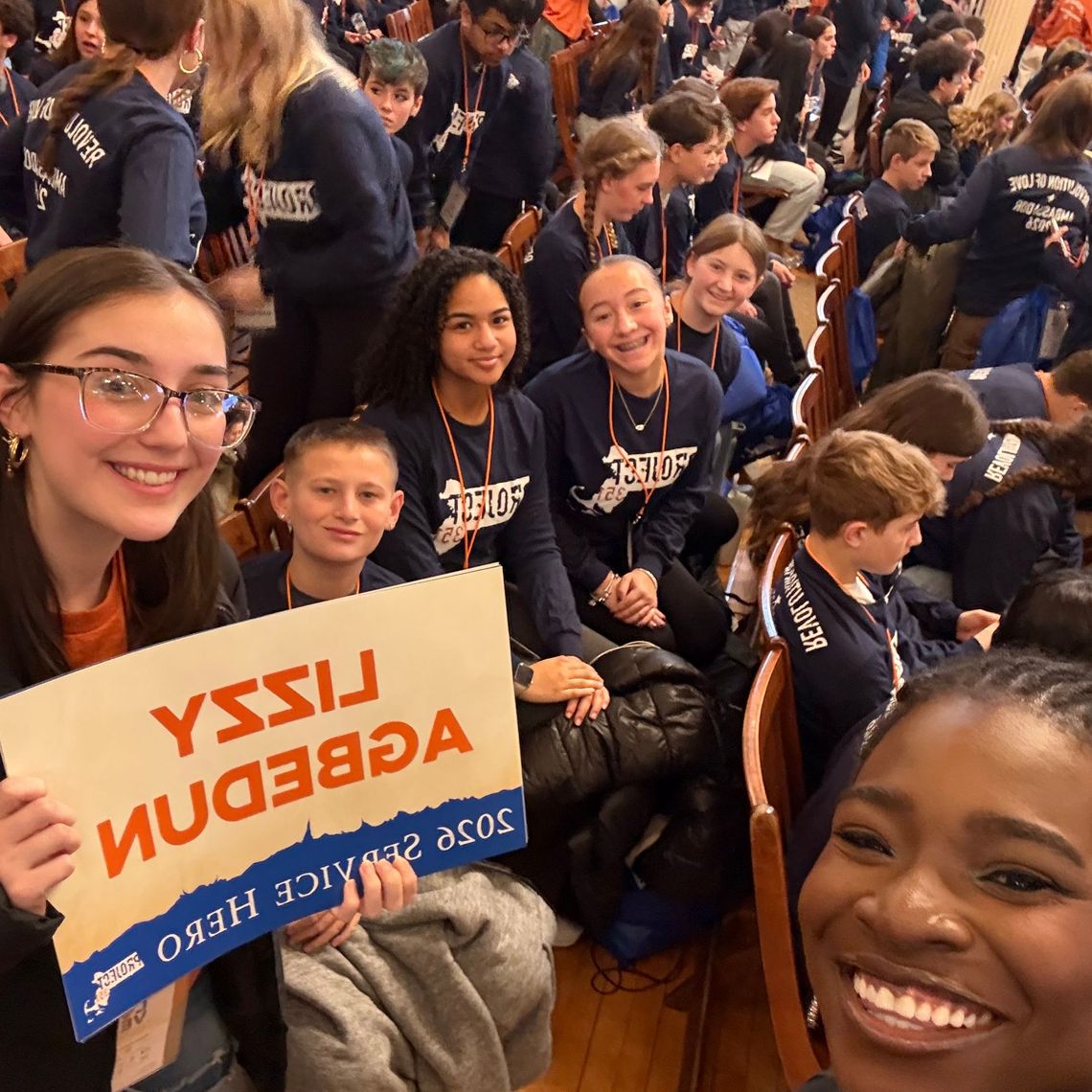
The training was designed to inspire action. When asked to name a word that represents their values and strengths, youth shared words like courage, kindness, love, honesty, and persistence. Those words were connected as a reminder that advocacy is collective and that no one carries this work alone. Youth leaders put that lesson into practice by encouraging peers and caring adults to take action. In past years, they sent postcards to state leaders calling for permanent free school meals for all students across Massachusetts. More recently, they encouraged people to take a pledge to join the Make Hunger History Coalition. Since the most recent training, more than 140 people have signed on to the Make Hunger History Coalition through this partnership alone.
This work has not gone unnoticed. In recognition of Project Bread’s leadership and impact, Project 351 established a new youth leadership cohort named the Lizzy Agbedun Service Hero Team. The team was recognized alongside the 2026 Service Heroes at Project 351’s January 17 Launch Day, which honors Dr. Martin Luther King, Jr. and Coretta Scott King, marking the beginning of a year of service and leadership. The Service Hero Team reflects what we see every day. Youth are not waiting for permission to lead. They are asking hard questions, challenging systems that do not work, and building a future where hunger is not accepted as normal. Project Bread is proud to walk alongside them.

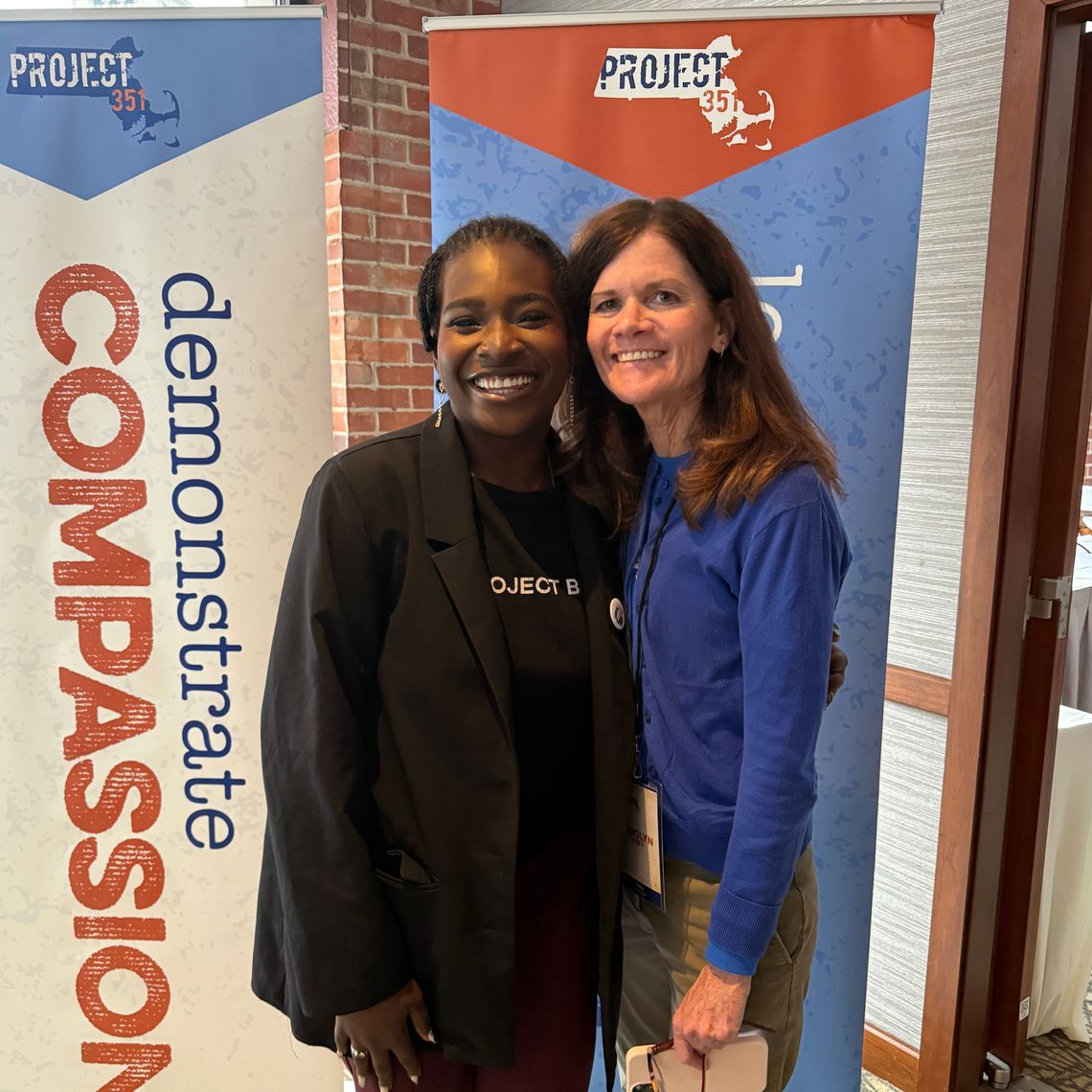
Project Bread has partnered with Project 351 for several years, and each year the work deepens. Youth leaders arrive curious. They leave informed, confident, and ready to advocate. We see this same transformation across all our advocacy trainings. People come unsure of what real advocacy is or how to engage. They leave understanding that change happens when ordinary people understand the root causes of hunger and food insecurity, find their voice, and take action together.
Join Us in Advocating
If you want to bring this kind of advocacy training to your school, organization, or community, or if you are an individual looking to grow your advocacy skills, our team is ready. We offer workshops for youth and adults that are grounded in real experience, practical skills, and clear pathways to action. Get involved today!