Where We Are Now: DC Continues Attacks on Federal Nutrition Programs, While Beacon Hill Invests in Them
Project Bread
Last year, we shared our priorities for the FY26 state budget — investments designed to strengthen food security and ensure every Massachusetts resident has access to the nutrition they need. Needless to say, a lot has happened since then. But today, despite historic barriers, we’re proud to report on the progress we’ve made together.
Budgets show what we value as a Commonwealth— these are moral documents. This year’s wins reflect a strong commitment to ending hunger by supporting families and our communities and sustaining local agriculture. Amid ongoing federal uncertainty and a challenging state budget climate, Project Bread deeply appreciates the legislature’s steadfast commitment to our mission. Our accomplishments this year are a testament to the collective advocacy of our partners and supporters like you.
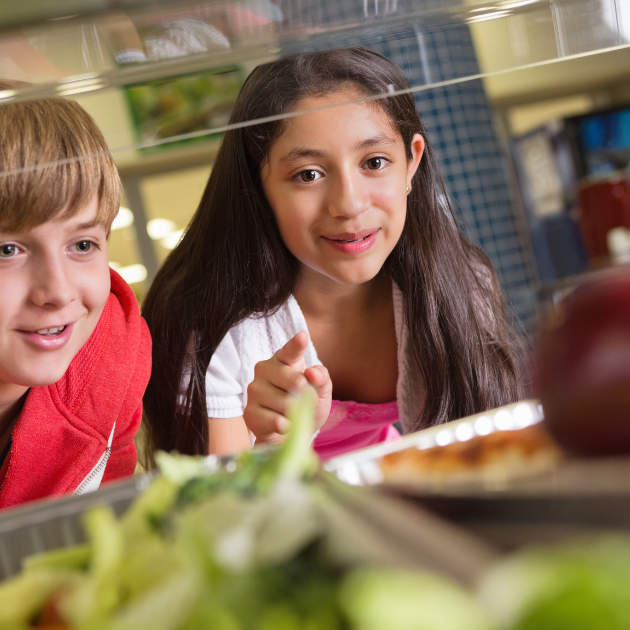
School Meals for All: $180M secured
Universal free school meals remain one of the most impactful anti-hunger policies in Massachusetts since its implementation in 2020. For FY26, the Legislature allocated $180 million -- a $10 million increase over last year -- to keep the program strong. This funding ensures that every student, regardless of income, can access healthy meals at school without stigma or barriers.
Why it matters: Research shows that universal school meals improve academic performance, reduce absenteeism, and ease financial strain on families. This program levels the playing field for students whose families struggle to afford food, ensuring they have the same opportunity to succeed as their classmates. This continued investment is a victory for equity and education, especially as federal SNAP benefits face cuts under the current administration. Protecting our children’s access to food is essential.
Healthy Incentives Program (HIP): Fully Restored and Expanded
HIP gives SNAP households an opportunity to stretch their benefits and access fresh, local produce while supporting Massachusetts farmers. The FY26 budget included $20 million, plus $7.5 million in supplemental funding, bringing total HIP funding to $27.5 million. For context, HIP received only $15 million in the FY25 budget.
This restoration means HIP monthly benefits are back to $40 for households of 1-2 people, $60 for 3-5 people, and $80 for 6 or more. For example, if a family of four spends $60 of their SNAP benefits at a farmers' market, they’ll receive an extra $60 credited back to their EBT card for future purchases -- making healthy, local food more affordable without reducing their regular SNAP budget.
Why it matters: HIP is a win-win: it improves nutrition for SNAP households and strengthens Massachusetts’ local food economy. Every dollar spent through HIP goes directly to local farmers, creating a reliable revenue stream and supporting small agricultural businesses across the state. The funding helps farms stay viable, invest in equipment, and hire seasonal workers – sustaining rural economies and preserving farmland. At the same time, families can access healthier food options that reduce diet-related health risks. Restoring benefit caps ensures the program can meet growing demand while continuing to deliver economic benefits to farmers and communities.

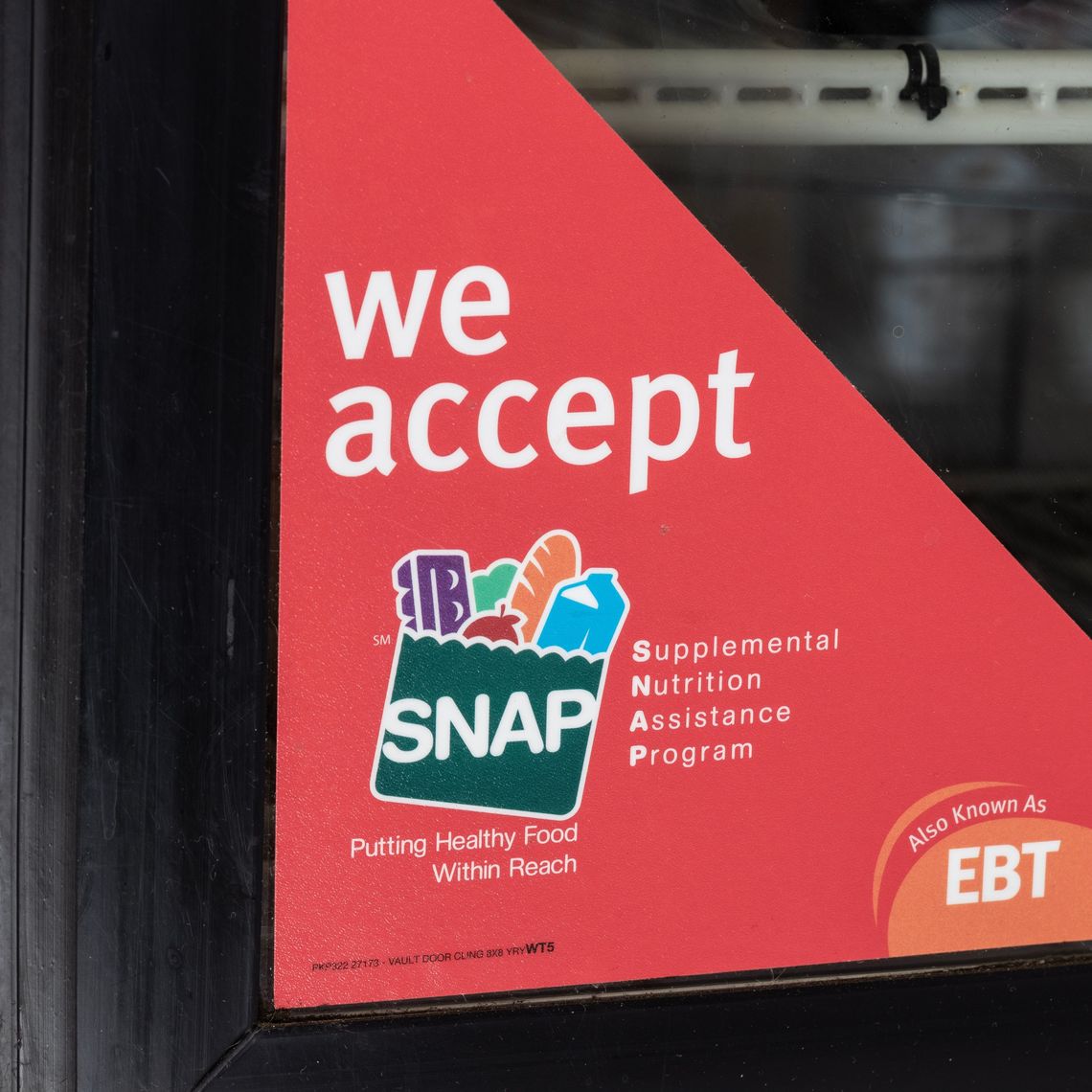
$10M Given to the Department of Transitional Assistance (DTA)
In an FY26 supplemental budget, the state legislature directed $10M to DTA to strengthen operations and ensure access to anti-hunger programs in response to the federal changes to SNAP. This investment laid out the groundwork to continue to improve the agency’s capacity to serve households efficiently.
Why it matters: SNAP is the cornerstone of food security for hundreds of thousands of Massachusetts residents, but the provisions under Trump’s “One Big Beautiful Bill” (OB3) have made the program more complex to navigate while increasing demand for assistance. By adding staff and improving operations with this funding, DTA can reduce wait times, prevent benefit interruptions, and help families maneuver these changes without losing access to critical benefits. This investment is the first step towards an overall stronger SNAP infrastructure.
Other Major Budget Wins
FoodSource Hotline level-funding maintained: Project Bread's FoodSource Hotline remains funded at $900,000, ensuring all Massachusetts residents can access food resources with expert support available 24/7, in 180 languages. This hotline is often the first point of contact for families navigating complex food insecurity. In 2024 alone, 20,823 households received personalized support from our expert food assistance counselors — and 7,292 of those calls were households being prescreened for SNAP.
Beyond SNAP application assistance, the hotline connects callers to community-based resources, helping families overcome barriers to food access. Ensuring sufficient funding for this program is essential to protecting families from the growing pressures of the current federal landscape — because food is always a basic right.
Continued support for the Child Nutrition Outreach Program (CNOP): CNOP received $700,000 in level funding, enabling Project Bread to continue its critical work of connecting children and families to school and summer meals. This program is the backbone of Project Bread’s outreach efforts that ensure no child goes hungry at school or over summer break.
School and summer meals are often the most reliable source of nutrition for children from low-income households. CNOP bridges the gap by making sure families know their options, and schools have the tools to deliver meals effectively. As of 2024, 33% of children in Massachusetts live in a food insecure household. In a state where child hunger remains a pressing issue, CNOP ensures that federal and state investments in child nutrition reach the people who need them most.
$500K allocated to the Hunger-Free Campus grant: The FY26 budget included $500,000 for the Hunger-Free Campus grant program, which helps Massachusetts colleges and universities address food insecurity among students. These funds support initiatives like campus food pantries, meal swipe programs, and outreach to connect students with SNAP and other resources.
College students are among the fastest-growing food insecure populations, often juggling tuition, housing, and basic needs without adequate support. In 2024, 38% of public university and community college students in Massachusetts faced food insecurity. By investing in Hunger-Free Campus grants, Massachusetts is helping institutions create sustainable solutions, so students focus on their education, not where their next meal will come from.
Farm to School — Advancing local food in schools and early education: $750K was awarded for MA FRESH grants in the FY26 budget, which help schools and early education centers purchase Massachusetts-grown produce and integrate food-system education.
Farm to School serves students fresh, nutritious food while teaching them where their food comes from. For children whose families are food insecure, access and education are critical to building a foundation for lifelong healthy choices. At the same time, this funding creates reliable markets for local farms, helping sustain agricultural businesses.

What’s Next: Our FY27 Priorities
While we celebrate these wins, our work isn’t done. For FY27, beginning on July 1st, Project Bread will focus on:
-
Maintaining Funding for School Meals for All: As federal reimbursements waver and state budgets tighten, preserving this program’s transformative impact on students, families, and communities is critical. We’re asking for $190M for School Meals for All to ensure complete protection.
-
Continued funding for Project Bread’s FoodSource Hotline and Child Nutrition Outreach Program: As described in detail above, the impact of these programs cannot be understated. Continued support for the FoodSource Hotline ($900,000) and CNOP ($700,000) remains a top priority.
-
Investment in DTA staffing and technology to support SNAP access: SNAP is the nation’s most effective anti-hunger program, lifting an estimated 85,000 people – including 17,000 children – out of poverty in Massachusetts between 2022 and 2024. For every federal dollar spent, SNAP generates $1.50 in local economic activity. But these benefits are only as effective as the systems that administer them. With the federal attacks on SNAP under OB3, DTA needs more caseworkers and modern technology to ensure eligible residents can access benefits quickly and efficiently. While the $10M allocated in the FY26 supplemental budget is a good start, consistent investment in DTA’s infrastructure will be key as people continue to navigate the new complications to SNAP under Trump’s bill.
-
Funding for nutrition and cash benefits for immigrants: We’re urging the state to invest in nutrition and cash benefits (as they have done in the past) for legally present immigrant households who lost access to federal SNAP and other supports under OB3. These families and individuals are integral to our communities, yet federal restrictions leave them without essential resources – forcing impossible choices between food, rent, healthcare, and childcare.
-
Continued advocacy for HIP and Hunger-Free Campus Grants: To ensure that everyone in Massachusetts has reliable access to nutritious foods, we’ll continue pushing for full funding for these programs.

The wins in the FY26 budget reflect real progress toward a stronger, more equitable food system in Massachusetts. These investments matter because they translate into meals on tables, stability for families, and long-term viability for local farms. Thank you for your advocacy and support in achieving these critical investments to protect our neighbors from the injustice of hunger.
As we turn to FY27, the challenge is clear: protect what works and keep pushing for policies that meet the scale of need.
Want to make a difference right now? Head to Project Bread’s Action Center to stand up for food security in Massachusetts.