How School Meals Boost Kids’ Health and Happiness
Olivia Deng
Every morning at Hosmer Elementary School in Watertown, children arrive with backpacks full of books, chat with friends, and settle into another day of learning.
For students like Nora, the morning starts with a stop at the breakfast cart. “All the schools should have a breakfast cart, because if a child is running late and doesn't have enough time to have breakfast, the breakfast cart can help them have breakfast,” she said. “Also, if a child didn't have enough breakfast at home, then they can have breakfast at the school.”

For more than 30 years, Project Bread has worked with Massachusetts schools to help more children access and enjoy free, nutritious school meals. By partnering with districts to remove barriers, increase participation, improve meal quality, and advance policies that expand access, Project Bread is helping make school breakfast and lunch a regular part of students’ school day.
The impact is clear: In 2024, nearly 1 in 3 students in Massachusetts received a free school breakfast—a 53 percent increase in breakfast participation since 2010—and nearly two-thirds of students received a free lunch, an 18 percent increase since 2010.
Making Breakfast Part of the School Day
Before the COVID-19 pandemic, Hosmer served breakfast before the school day began, making it difficult for many students to participate. “Before COVID, we were serving breakfast to single digits of kids every day because it was before school,” said Erin Moulton, Principal at Hosmer. “If you took the school bus, you could never access it. It was just time-prohibitive.”
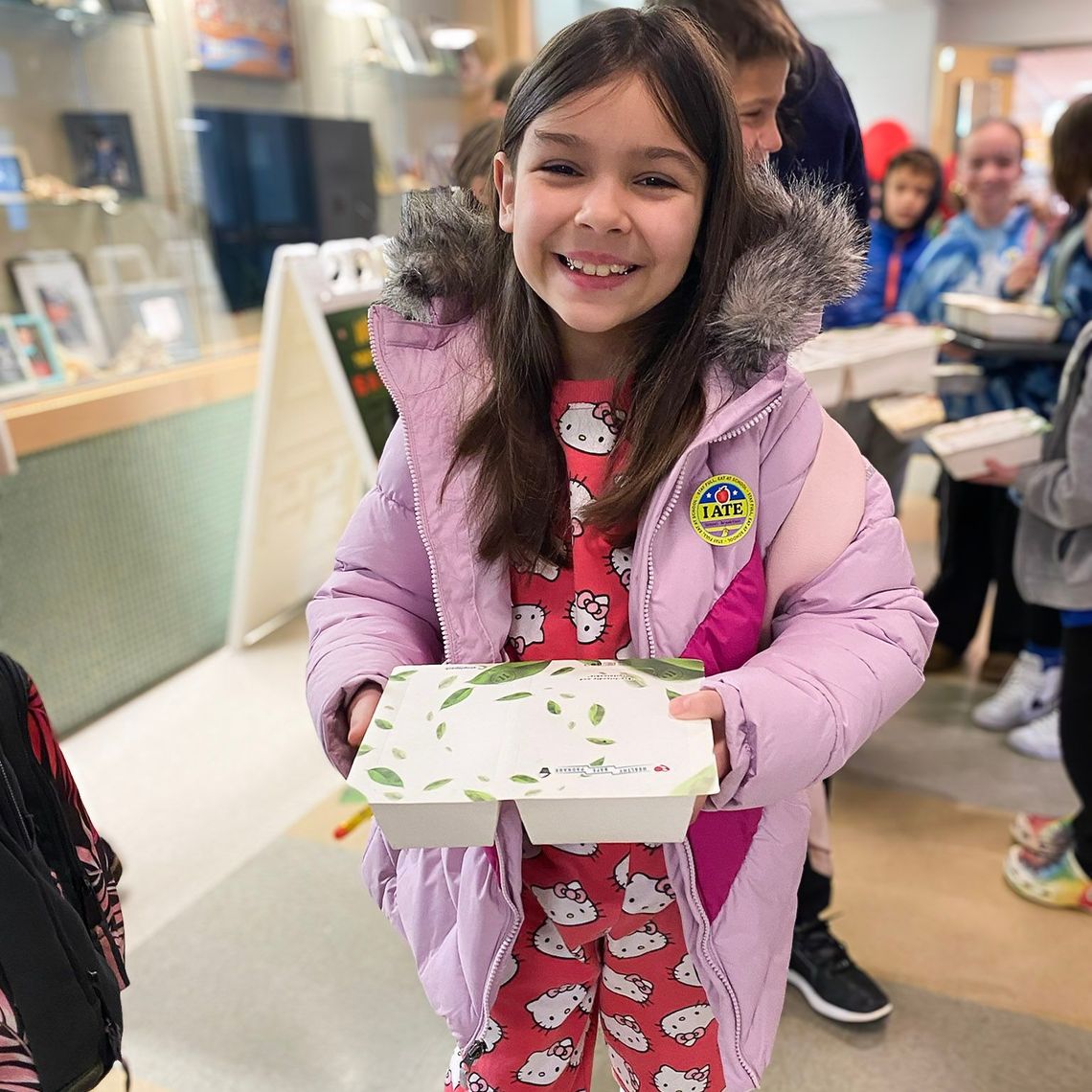
Today, breakfast is served after the bell, and over 50 percent of students eat breakfast at school each day! Now, breakfast, like English or math class, is just part of the school day. “When you think about it, that means that those kids are really more ready to learn,” Moulton said.
Breakfast is just the start. All day long, school meals give kids something to eat, options to choose from, and friends to hang out with—plus, they don’t have to worry about going hungry.
At Hosmer, the shift to breakfast after the bell has made a positive impact on how students start their mornings, but the benefits of school meals stretch far beyond the cafeteria.
Regular access to nutritious food throughout the entire school day supports not only children's readiness to learn, but also their physical health, emotional well-being, and ability to engage. Well-fed students are better equipped to manage stress, participate in activities, and build relationships, both inside and outside the classroom. By ensuring every child has access to nourishing meals, schools help lay the foundation for overall well-being that goes beyond the first bell and lasts all day long.
When you support Project Bread, you help schools create meal programs that nourish the whole child and give every student the opportunity to thrive.
Healthy School Meals Help Children Thrive
School meals are closely tied to children’s ability to participate in the school day. Colin Gardiner, a K-2 school adjustment counselor at Hosmer, described breakfast and lunch as “essential to the student's day,” helping students fuel their bodies and keep learning throughout the afternoon.
“Having universal school breakfast and lunch just means that all of us have the assurance that there's one thing that's already taken care of for every child, that every kid has the chance to eat and has healthy food available to them,” Moulton said. “It removes a barrier amongst all of the things that we're thinking about that kids need for wellness.”
With advocacy led by Project Bread, Massachusetts enacted a life-changing piece of legislation in 2023: the School Meals for All bill, which made free school meals available to all students. It was an essential step toward ending childhood hunger. As a result, more children are eating school breakfast and lunch than ever.
The need remains urgent. Today, 1 in 3 kids in Massachusetts face food insecurity. At the same time, recent federal cuts to SNAP, Medicaid, and other basic needs programs are putting additional pressure on state and household budgets. Between July 2025 and June 2026, more than 67,000 children lost access to SNAP.
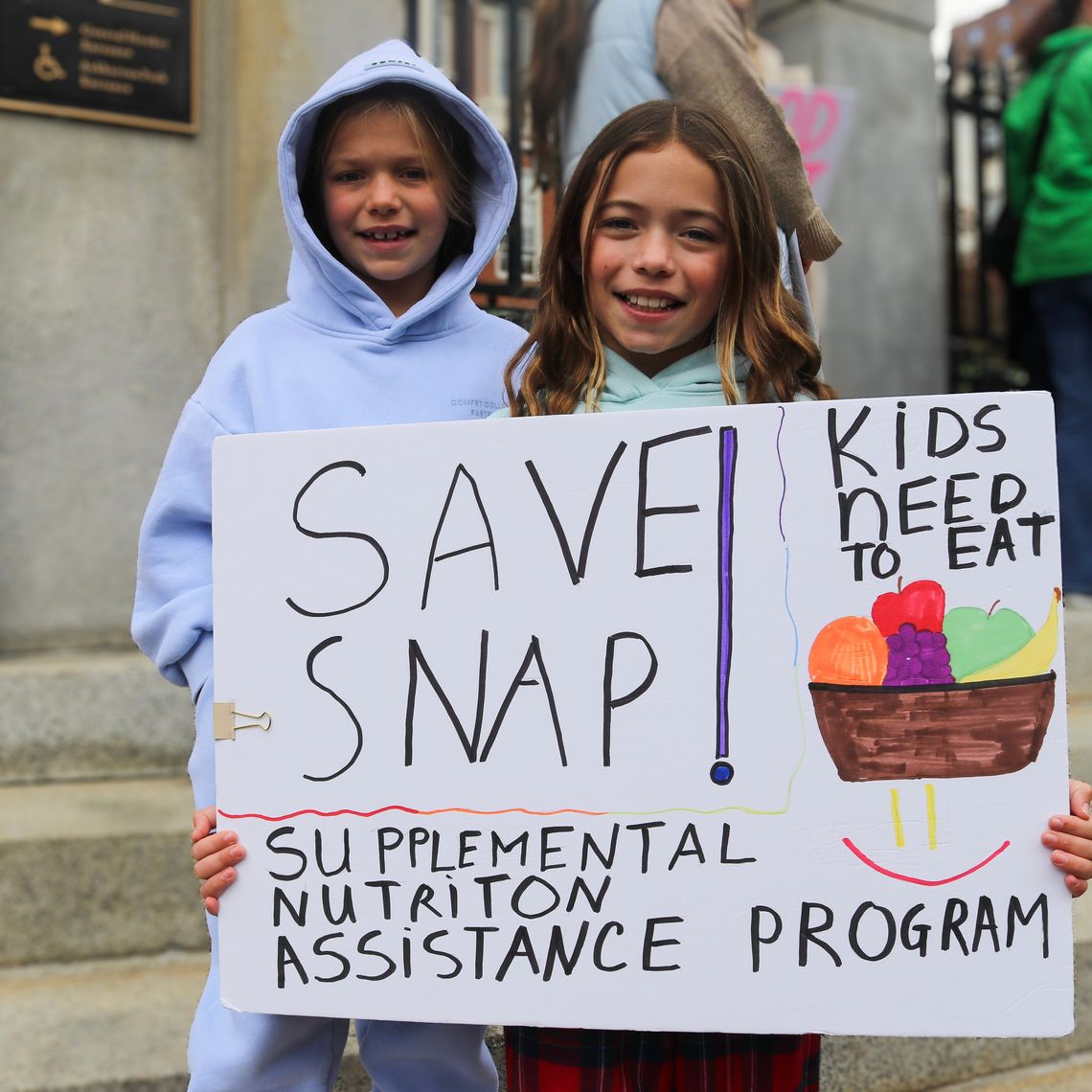
In this moment of growing need, free school meals and Project Bread’s work to expand access, strengthen school meal programs, and advance policies that reduce hunger are more essential than ever. As families face growing gaps in food and other essential supports, your support today can help ensure that children across Massachusetts have the nutritious meals they need to learn and thrive.
Thank you to the Cummings Foundation for funding Summer Eats, so that kids and teens can get access to free meals even when school is out.
Saying Goodbye to School Meal Stigma
For Lucy, a fifth grader in Cambridge, and her younger brother Elliot, a third grader, school lunch is simply a normal part of their day. For the past three years, they've eaten school lunch for free every day without a second thought.
When asked how often they eat school lunch, both replied, "every day." When asked if they knew what "lunch money" was, they looked puzzled. Even with a nudge from their mom, the concept didn't register—school lunch had always just been free. And that's the real point: any stigma around being a "free lunch kid" has disappeared.
The benefits of school meals also extend to families’ experiences. Gardiner said that when new families learn that Hosmer offers free breakfast and lunch, they are often relieved. Some families experience food insecurity, he said, so knowing their children will have a meal during the school day is particularly meaningful.
“Oftentimes it's a very positive surprise when they hear that we offer both free breakfast and free lunch, because there are some families that do experience food insecurity,” Gardiner said. He added that knowing their children will have a meal during the day has been something families have been extremely receptive to.
A 2021 systematic review of 47 studies found that universal free school meals were consistently associated with increased participation, while studies that included lunch also generally found positive associations with diet quality and academic performance.
Universal access also changes the social experience of receiving a school meal. “There's no stigma in having to ask to have that basic need met,” Moulton said. “The child doesn't have to ask, the parents don't have to ask. It's just taken care of.”
What School Meals Make Possible
For children like Lucy and Elliot, that participation extends well beyond the cafeteria. Lucy enjoys reading, crocheting, soccer, and performing in plays and musicals. Elliot enjoys baseball, Pokémon cards, and soccer. School meals are an important part of giving children the energy and stability to engage in the activities that make up their lives.
For kids showing up to school each morning, a good meal is waiting: something warm to eat, plenty of choices, and a table full of friends to start the day off right.

Project Bread partners with schools, educators, and communities to ensure that every child has access to nourishing food at school. This work is possible because people like you believe every child should have what they need to learn and grow.
Your support puts healthy meals on students’ trays, strengthens the school food programs that serve them, and gives children the fuel they need to succeed—both in the classroom and beyond. This school year, you can help make sure every child is well-fed, able to focus on learning, and has the chance to thrive.