Olivia Deng
Rain or shine, since 1969, thousands of people have shown up year after year for The Walk for Hunger, organized by Project Bread. What began as a 30-mile pledge walk has become a 3-mile community extravaganza on Boston Common, with the option to participate from anywhere through “Walk Your Own Way.” The goal has remained consistent: raise money to fight hunger across Massachusetts.
Across decades, The Walk for Hunger has been shaped by milestones and fun facts. Here are 10 things you might not know about this enduring event.
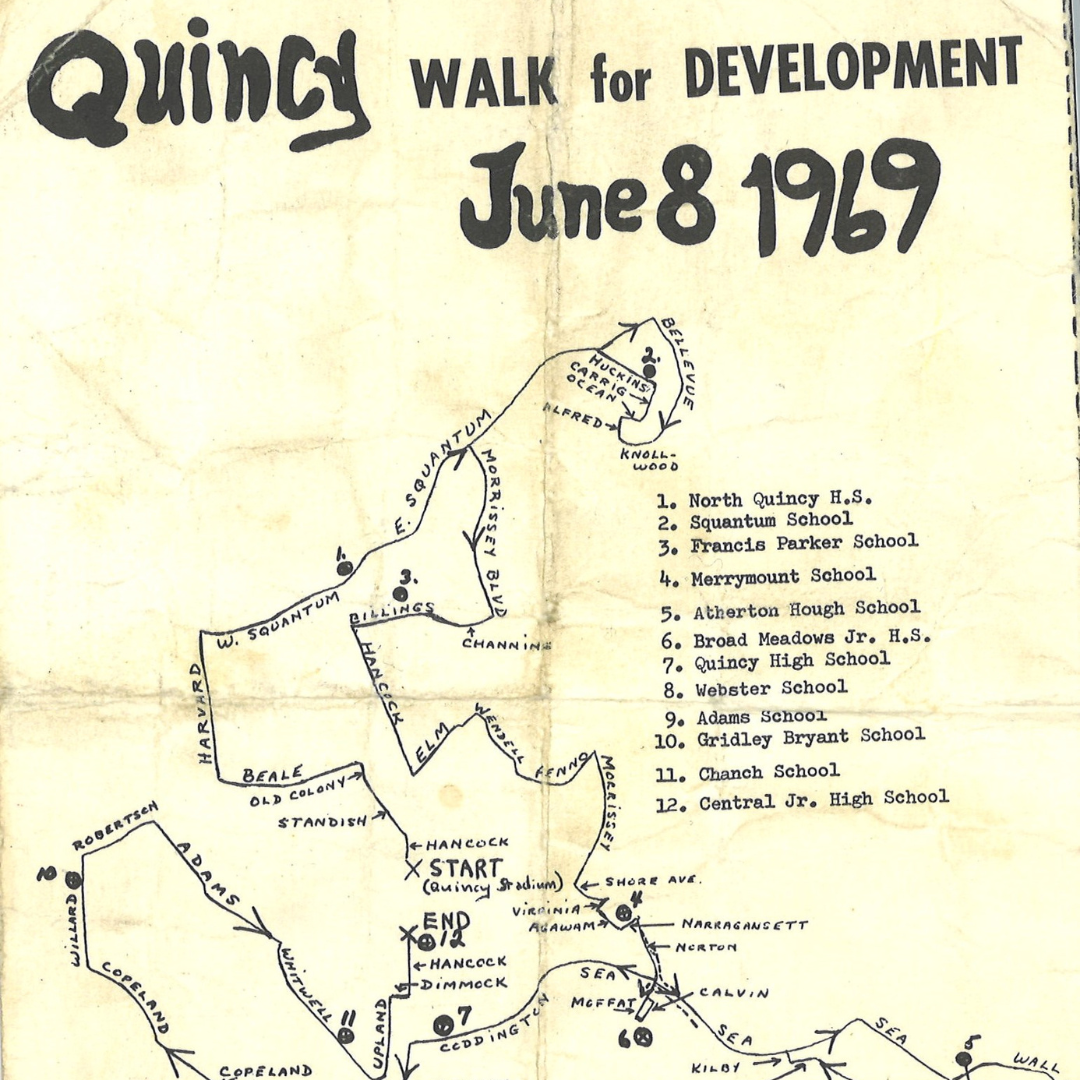
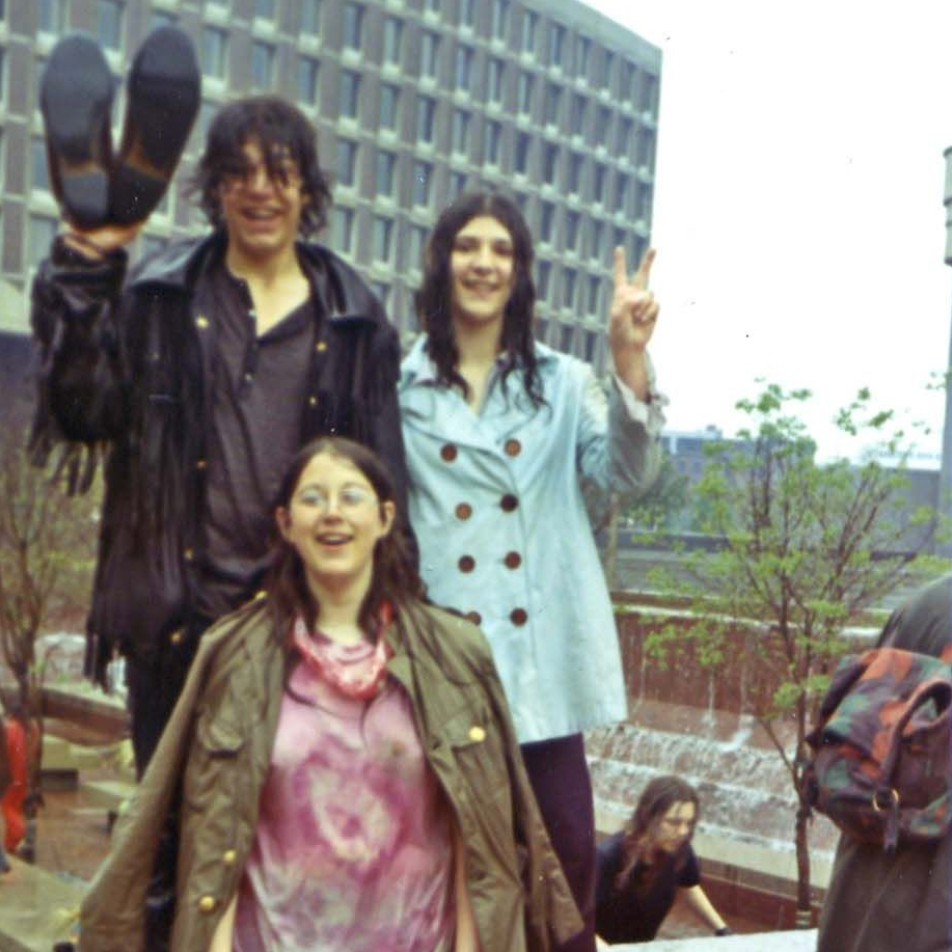
A group of activists from the Paulist Center in downtown Boston, led by Patrick Hughes, established the inaugural pledge walk in 1969, making history as the first of its kind in the nation. Approximately 2,000 people embarked on a 29.6-mile journey through Quincy, raising an impressive $26,000 to support vital hunger projects.
The Walk's objectives, fundraising to alleviate hunger and championing social justice, laid the foundation for an enduring annual tradition that drives impact to this day.
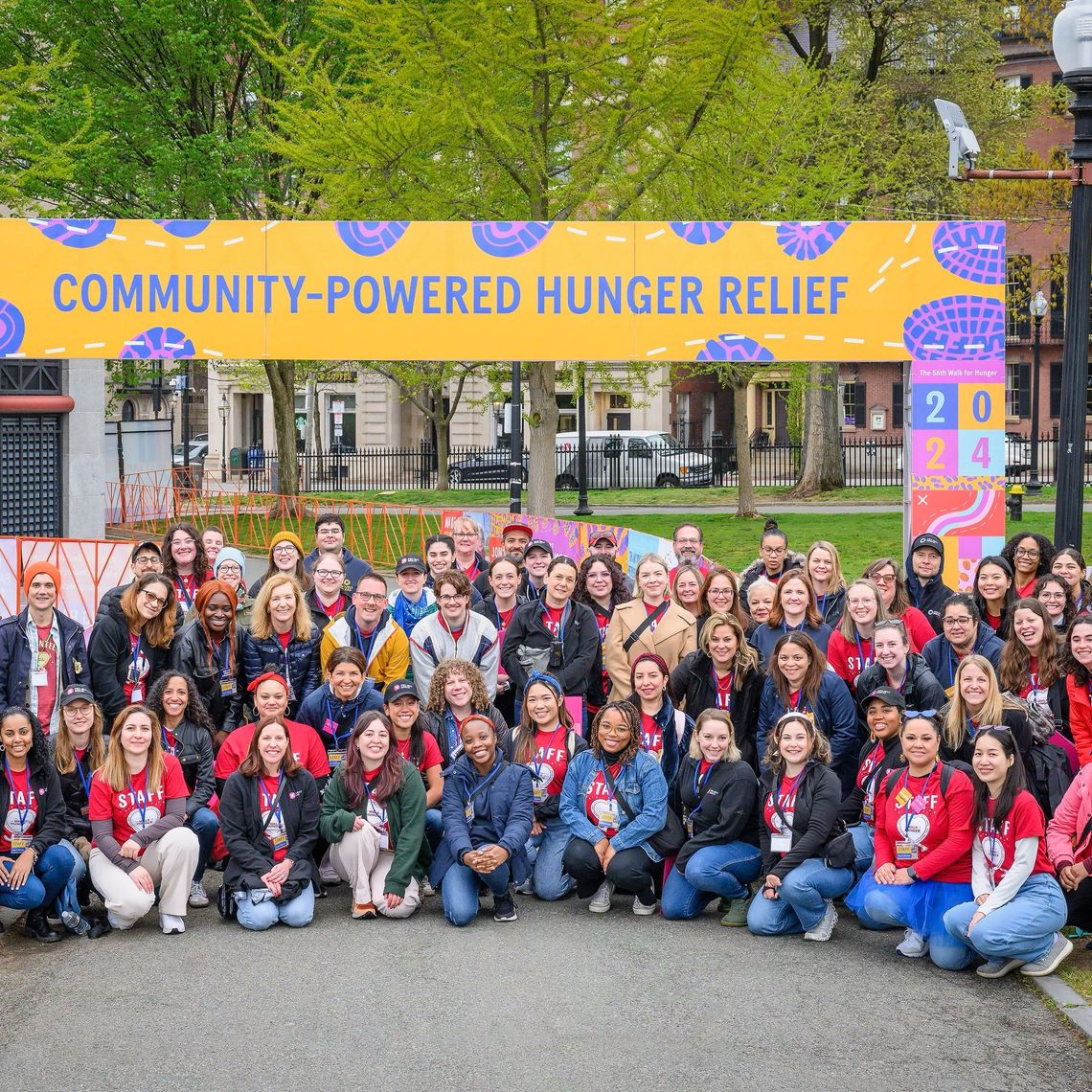
In 1970, organizers shifted The Walk’s starting point to Boston in order to bring the event closer to more people. The city’s central location and public transportation options meant that thousands could now participate. Boston became home to The Walk for Hunger, with Boston Common becoming the heart of the event each first Sunday in May.
The Walk for Hunger preceded Project Bread. The event was so successful that organizers realized they needed to build a larger anti-hunger organization from The Walk for Hunger. Today, Project Bread is a multifaceted food security organization that advocates for anti-hunger policies, integrates nutrition into healthcare, works directly with schools to feed kids, runs a FoodSource Hotline to point people to food resources and help them enroll in SNAP, engages people with lived experience, and more.
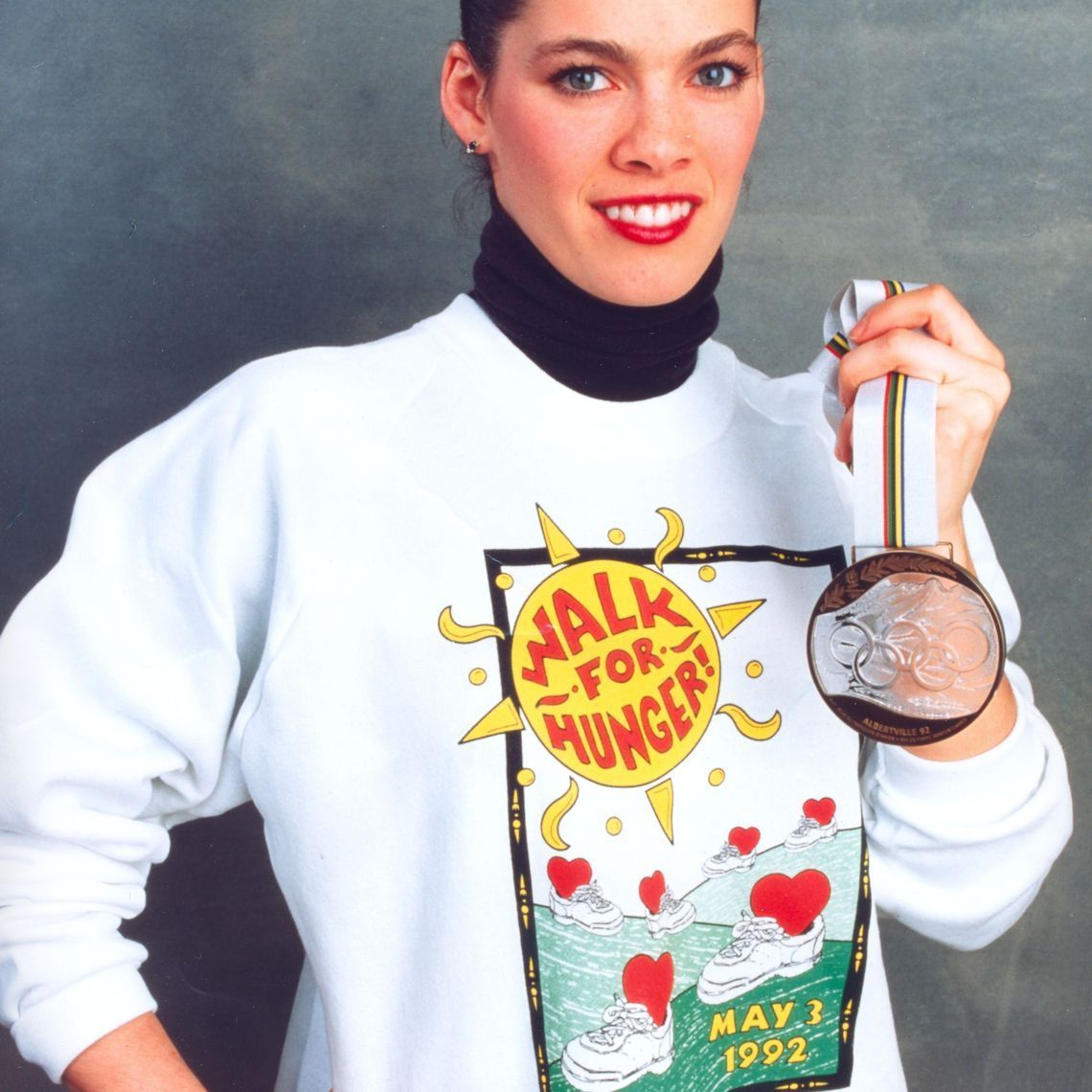
Over the years, the Walk has drawn attention from public figures and celebrities. In 1985, Senator John Kerry laced up his sneakers and walked alongside thousands of others, bringing even more visibility to the cause. In 1992, Olympic figure skater and Stoneham native Nancy Kerrigan joined the event, highlighting The Walk’s role as a community tradition that brings people of all backgrounds together for a common purpose.
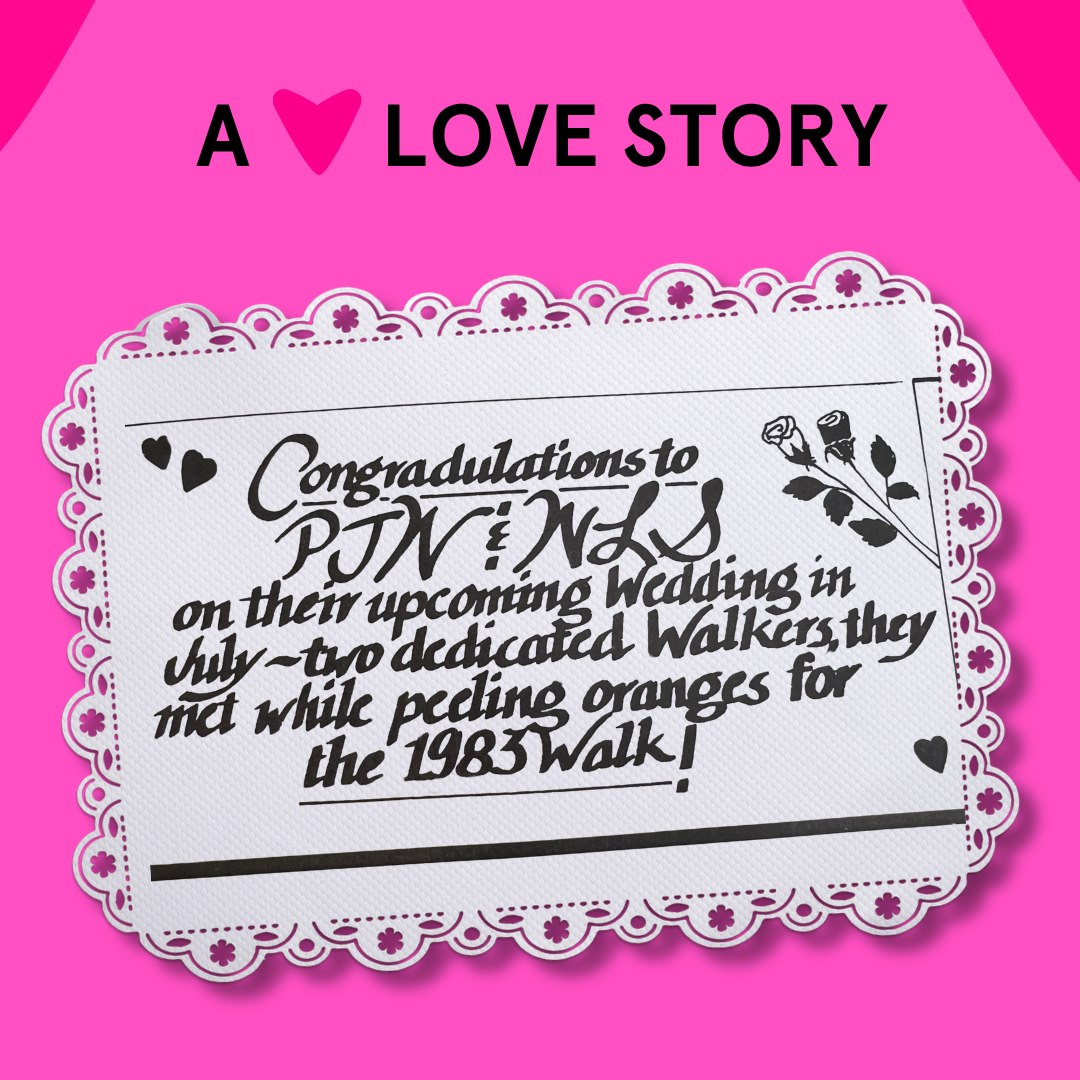
The Walk for Hunger brings people together. In 1983, two volunteers struck up a conversation while peeling oranges. What started as a chance meeting led to marriage and a lasting relationship — their story is now one of many personal connections formed at the event over the years.
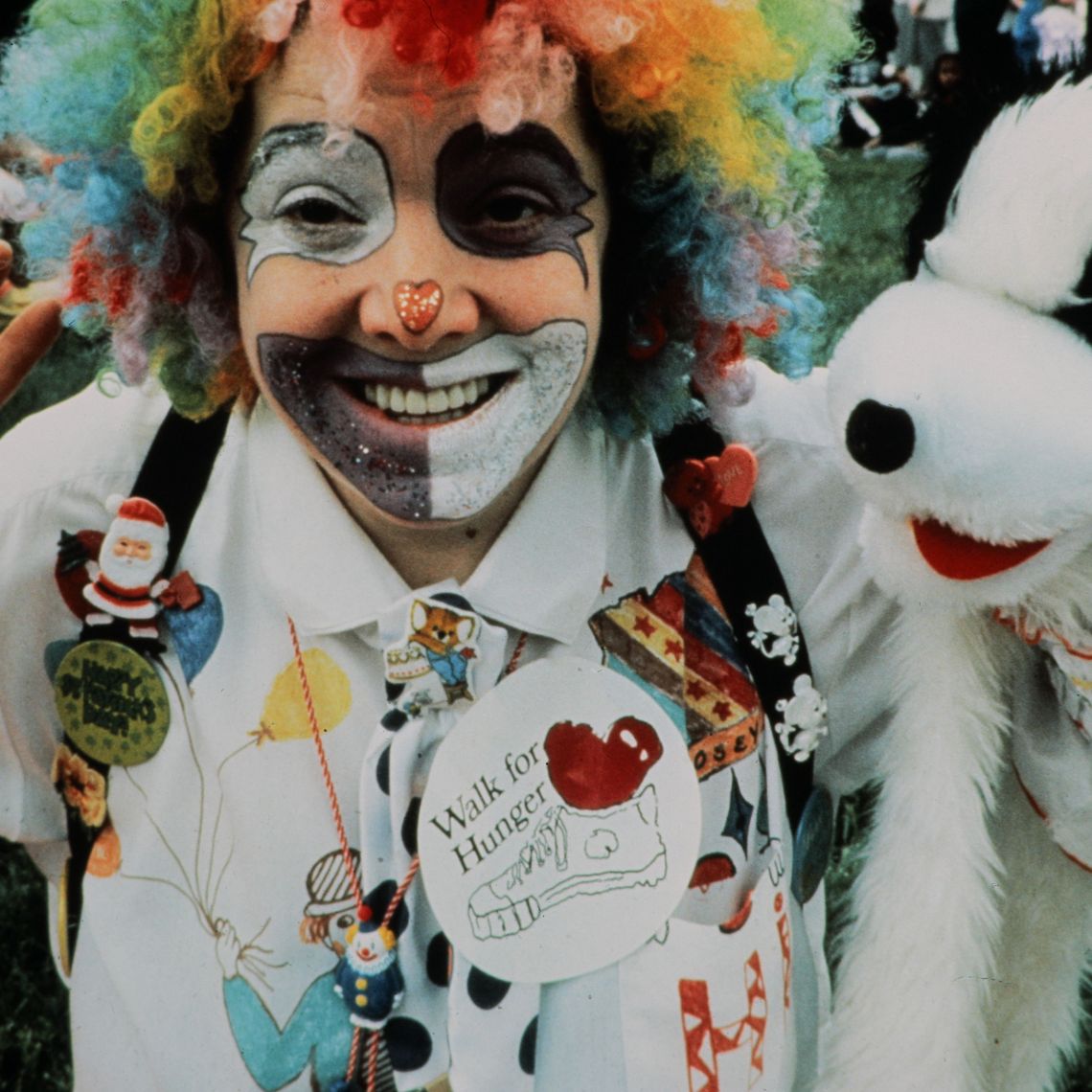
Clowns can appear when you least expect them to, and seeing them at The Walk is no different. Many professionals and amateurs have donned their red noses and shown up at The Walk periodically in their full clown glory.
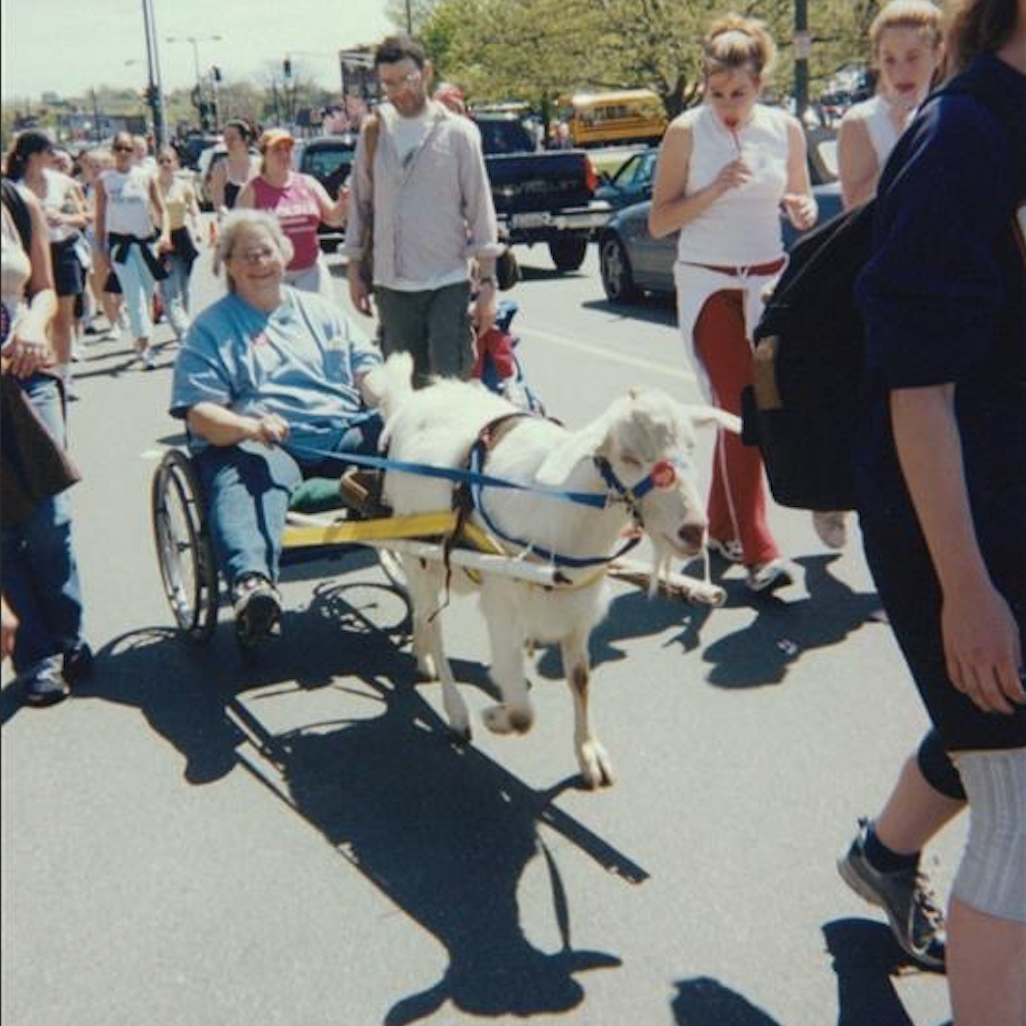
Boston Common is home to the usual city wildlife—pigeons and squirrels scurry along the route as walkers pass by. But every once in a while, The Walk surprises everyone with unexpected animal guests. In the early 2000s, goats made an appearance, much to participants' delight.
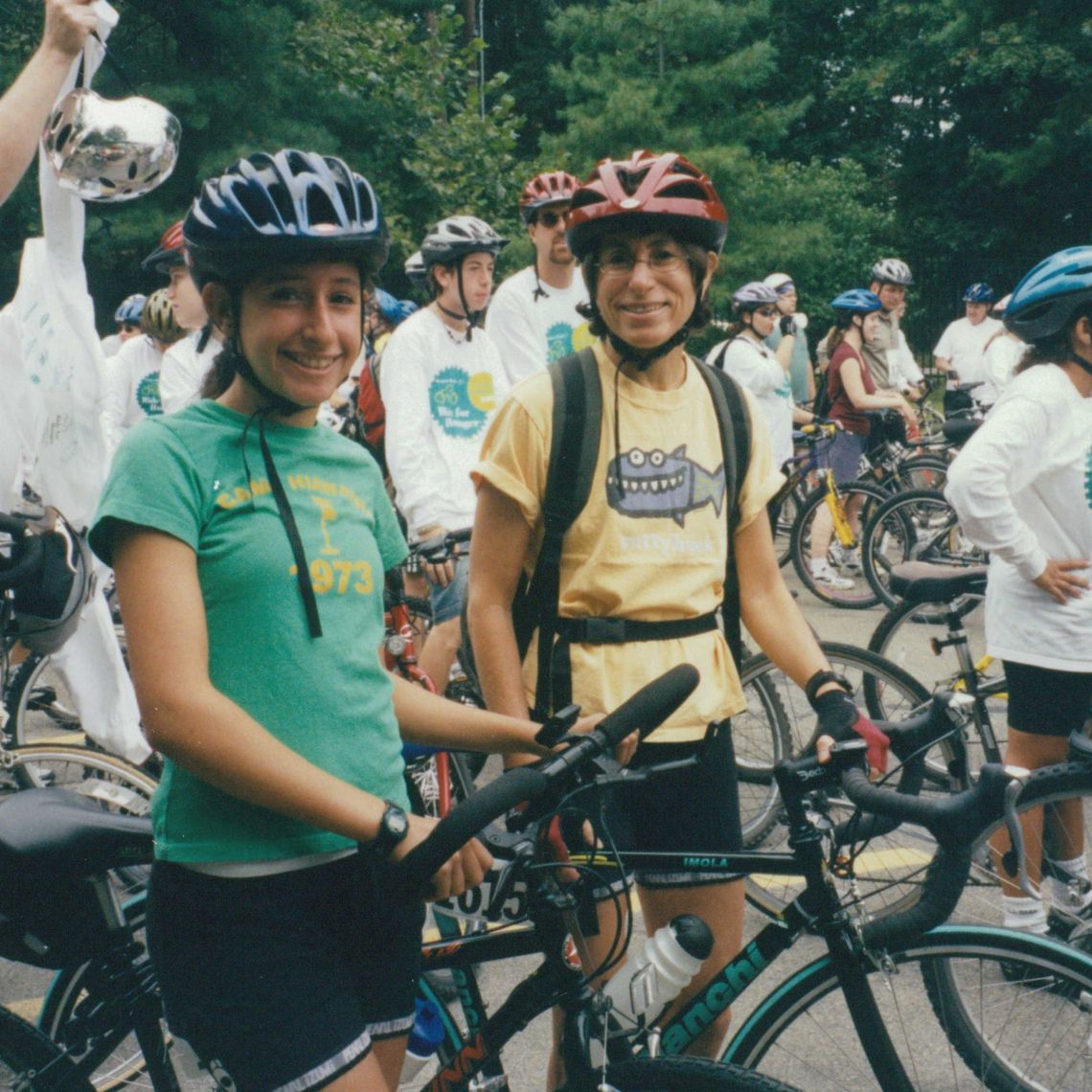
Looking to keep things fresh and bring in even more supporters, organizers added The Ride for Hunger in the early 2000s. This event let people participate on their bikes, giving those who preferred cycling over walking a new way to support the cause.
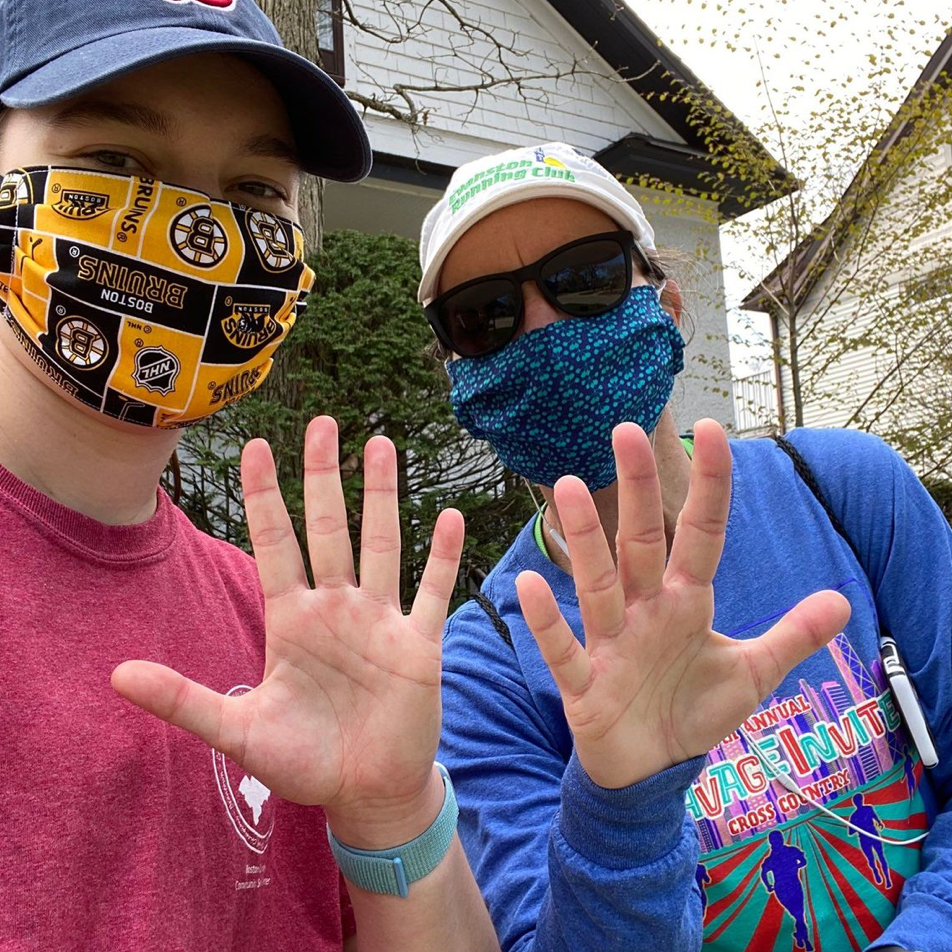
The COVID-19 pandemic forced the Walk for Hunger to adapt in 2020. For the first time in its history, the event went completely virtual. Walkers mapped out their own routes in neighborhoods, parks, and even on treadmills at home. Social media became the new gathering space, with participants posting photos, sharing stories, and cheering each other on from afar. Together but separate, thousands of participants joined virtually from across the United States and multiple countries!
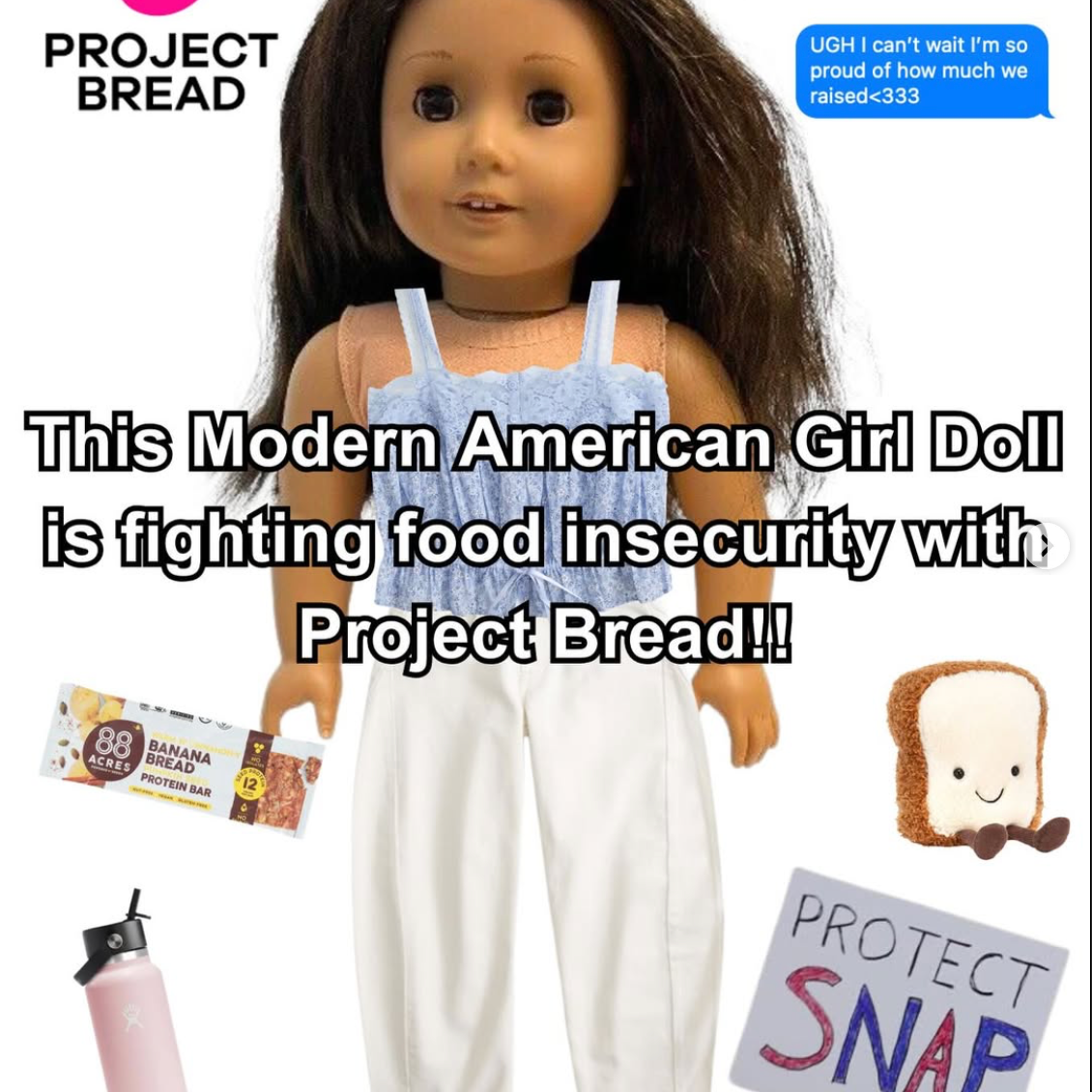
What do you think of when you think about American Girl Dolls? For many, these dolls evoke nostalgia. Thanks to Modern American Girl Dolls, there's an anti-hunger doll that will be attending The Walk for Hunger!
For Emily Kokidko, creator of Modern American Girl Dolls, food insecurity is personal. "When I was a kiddo, my family used food assistance programs, so I am so stoked to be a part of this and support these amazing programs."
Today, The Walk for Hunger is a celebration of community spirit and resilience while fighting the hunger crisis in Massachusetts, which has reached a record 40% of families facing food insecurity.
Times change, but the spirit of The Walk remains: on the first Sunday in May, thousands of people lace up their sneakers and come together on Boston Common, joined by countless others participating remotely across the world. From first-time walkers to people who have been participating for decades, everyone is walking toward a future where no one has to worry about hunger.
You can make a difference for families struggling to put food on the table by joining The Walk for Hunger. Want to see what history is made at The 58th Walk for Hunger? You’ll have to join us to find out!