Addressing Food Insecurity Through Healthcare
A Healthcare Partnerships Impact Report
Anchors List
Jump to Section
Foreword
Food insecurity is a persistent public health issue with far-reaching social consequences. It forces families to make trade-offs between food, housing, medical care, and other basic needs—heightening stress and destabilizing households. Every community in Massachusetts is affected by food insecurity.
Project Bread’s mission is to connect people across Massachusetts to reliable food resources and to advocate for policies that ensure no one goes hungry. Addressing food insecurity requires a multifaceted approach, including strengthening access to federal nutrition programs for those struggling to afford food. While these systems have long anchored food security efforts, benefit levels in federal nutrition benefit programs like the Supplemental Nutrition Assistance Program (SNAP) often do not stretch far enough to meet households’ needs across an entire month, particularly for individuals managing chronic health conditions, rising food costs, and competing financial demands. As a result, additional systems must be leveraged to close this gap. One increasingly important access point is health care.
Clinical settings offer an opportunity to identify food insecurity and connect patients to support. Yet historically, the U.S. healthcare system has lacked consistent, systematic approaches to screening for and addressing food access challenges.
Recognizing this, in 2020, MassHealth, Massachusetts’ Medicaid program, launched the Flexible Services Program through the federal Section 1115 Demonstration Waiver, which allowed Accountable Care Organizations (ACOs) to provide goods and services to improve food and housing security. When MassHealth issued the call for social service organizations to partner in this initiative, Project Bread offered its expertise in creating spaces for food access within the healthcare system. Building on more than a decade of collaboration with healthcare providers, Project Bread expanded its work by developing a comprehensive case management program that combined food security support with nutrition education for patients living with chronic health conditions.
Project Bread’s model is grounded in the understanding that people need adequate resources, knowledge, and tools to purchase and prepare food that meets their cultural preferences and health needs. Our approach strengthens purchasing power through flexible food vouchers while also investing in what lasts beyond the end of the program including nutrition knowledge, kitchen equipment, and connections to ongoing benefits like SNAP.
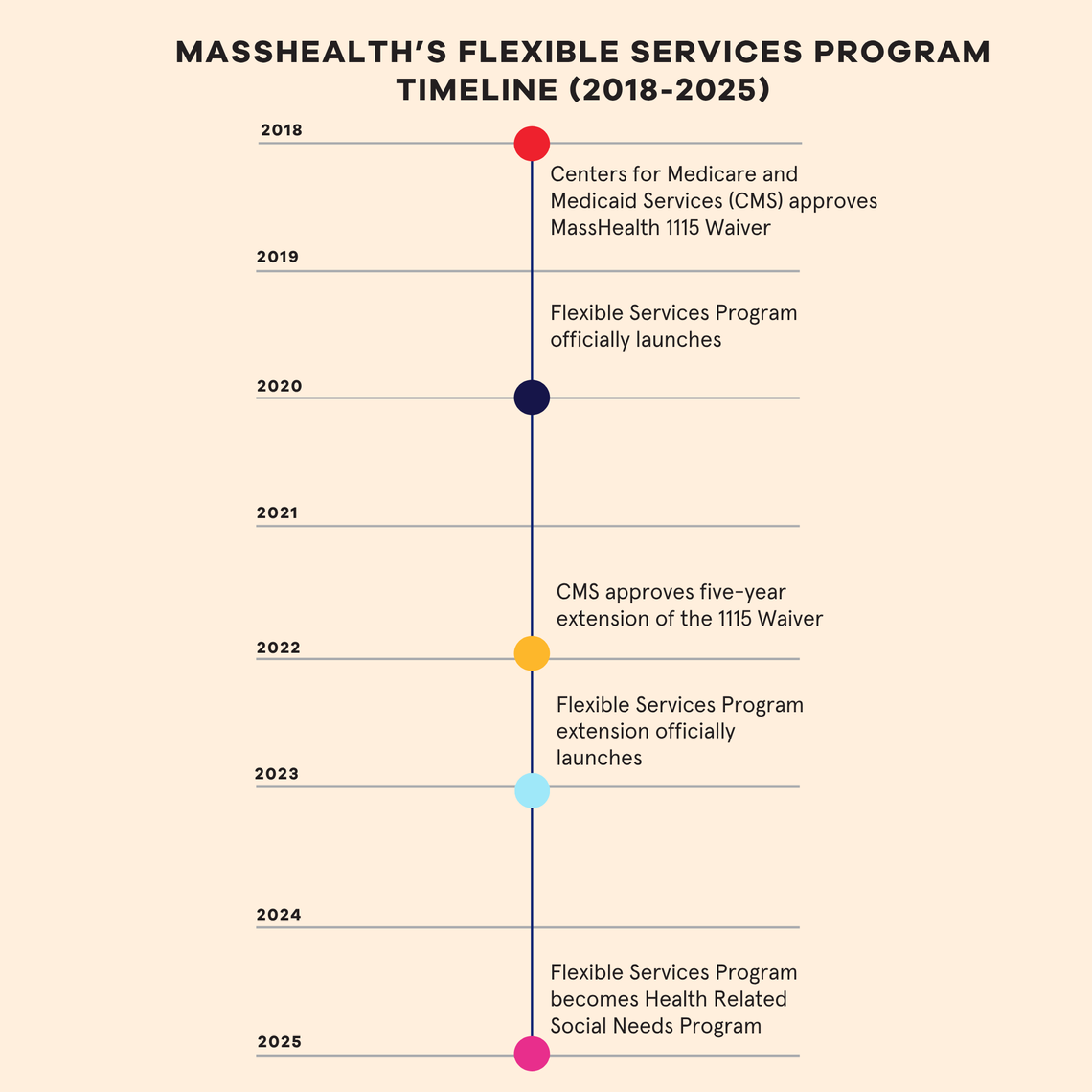
This report synthesizes five years of research on Project Bread’s Flexible Services Program, drawing on evaluations, cost analyses, and client feedback from 2020 to 2024. Together, these findings offer a comprehensive assessment of how Medicaid-funded food resources and nutrition support can lower healthcare costs, improve chronic disease outcomes, and strengthen food security for Massachusetts households. The report examines program implementation, outcomes, and lessons learned from its launch in 2020 through the end of 2024, prior to the program’s transition to a supplemental covered benefit for MassHealth members enrolled in ACOs on January 1, 2025.
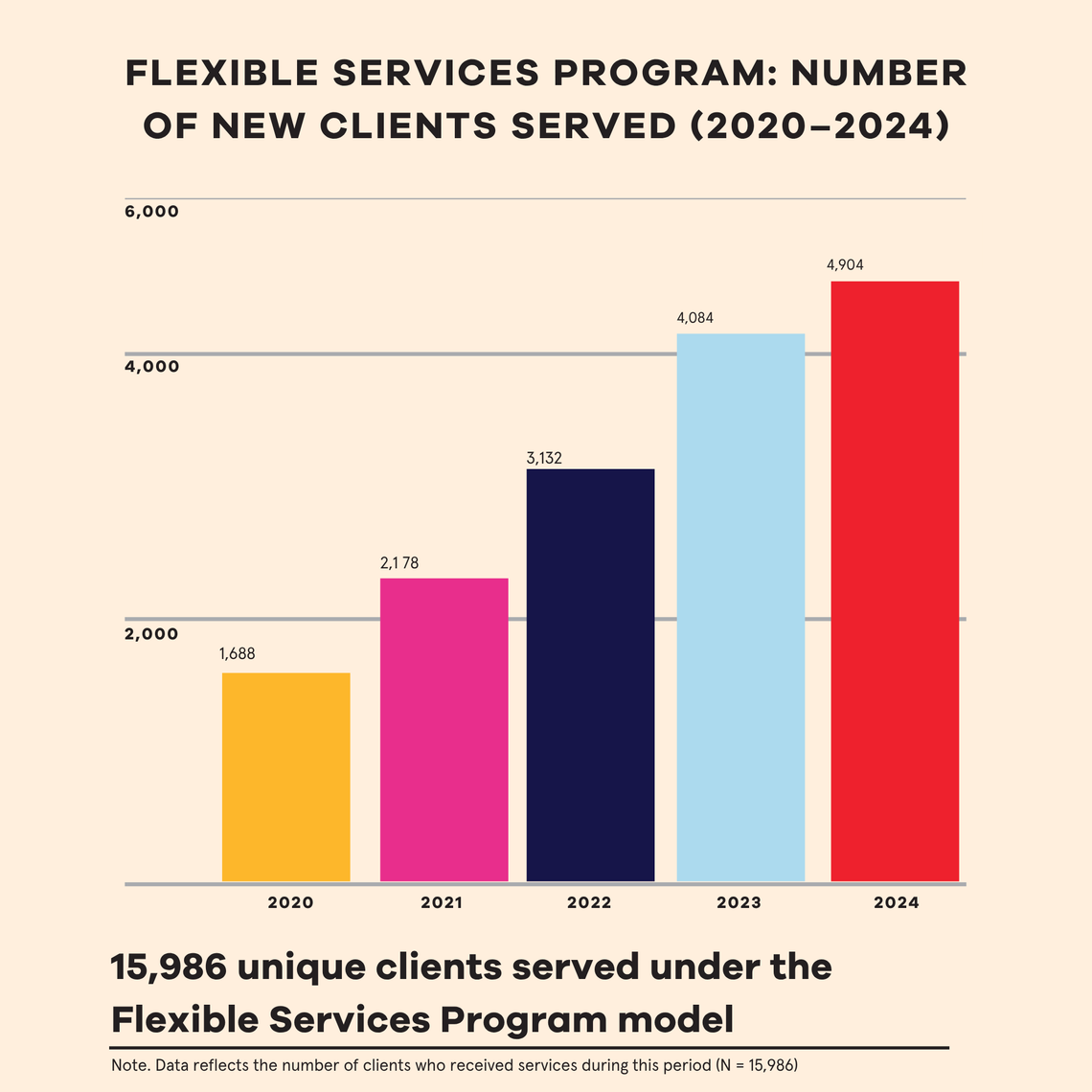
Between 2020 and 2024, the MassHealth Flexible Services Program served more than 44,000 MassHealth members. Project Bread supported 15,986 of those individuals, approximately 36% of all members served during that period.
Project Bread’s Approach
In April 2020, Project Bread launched its Flexible Services Program (FSP) in partnership with MassHealth and Community Care Cooperative (C3), a Federally Qualified Health Center-led Accountable Care Organization (ACO). The program was designed to improve food security and support overall health by providing nutrition services tailored to the unique needs of clients who are both food insecure and managing complex health conditions.
The program served each client throughout a six-month period. Upon enrollment, each client was paired with a Nutrition Services Coordinator. Most coordinators were native speakers of the client’s preferred language, helping to ensure that care was culturally competent and linguistically appropriate.
“I have developed a strong connection with clients who share a cultural background similar to my own. Sharing the same roots and values allows me to build trust and create meaningful connections in my work. Clients feel heard, respected, and supported, and they often express appreciation for the care and assistance I provide.”
Nutrition Services Coordinator
The coordinator began by conducting an initial assessment to identify the specific barriers each client faced in accessing healthy food. Using this information, the coordinator developed a personalized service plan. Services offered as part of the program included monthly food vouchers, kitchen supplies, nutrition counseling with a registered dietitian, cooking classes, and referrals to a SNAP enrollment provider. Clients had the flexibility to select the services that best met their needs.
In the years following its launch in 2020, the program expanded substantially. What began as a small-scale effort grew into a statewide network that included seven ACO partners and more than 50 health centers and physician groups. Through the FSP, Project Bread served 15,986 unique clients, demonstrating both the scalability of its model and the sustained demand across the Commonwealth.
Program Population & Service Utilization
The program effectively reached a diverse population with respect to age, race/ethnicity, and language.
Between 2020 and 2024, Project Bread’s Flexible Services Program received referrals for 18,009 patients and successfully served 15,986 (contact rate: 88.8%). The present analysis includes 11,068 clients with initial assessment data who received services between January 1, 2021, and December 31, 2024 (see footnote for detailed exclusion criteria).
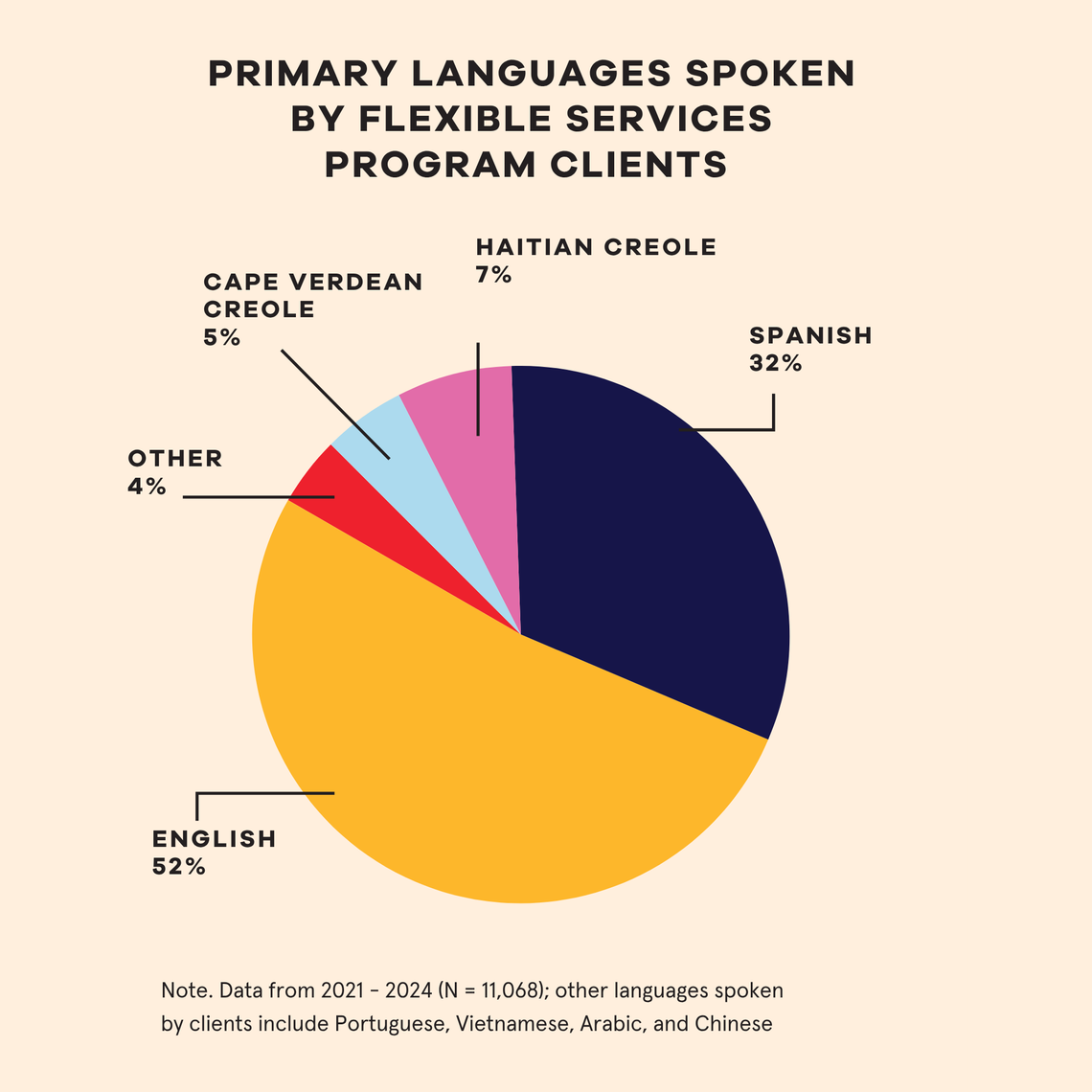
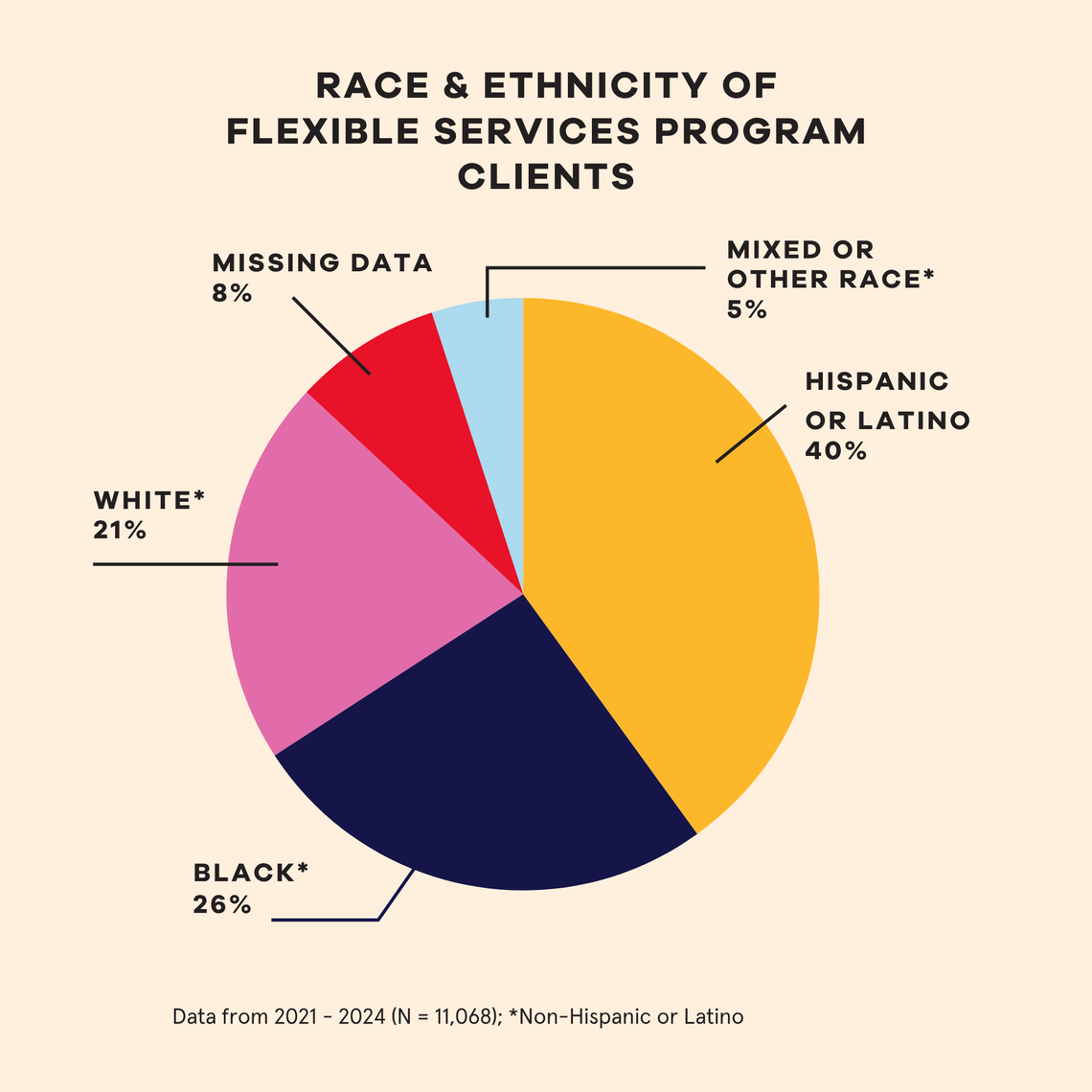
Of these clients, ages ranged from less than 1 year to 64 years, with a mean age of approximately 32.5 years. Almost 29% of clients were children (ages zero to 17). The program served individuals who spoke a wide range of languages, including English (52%), Spanish (32%), Haitian Creole (7%), Cape Verdean Creole (5%), and other languages (4%). Client race and ethnicity were distributed as follows: Hispanic or Latino (40%), Black (26%), White (21%), other backgrounds (5%), and missing (8%).
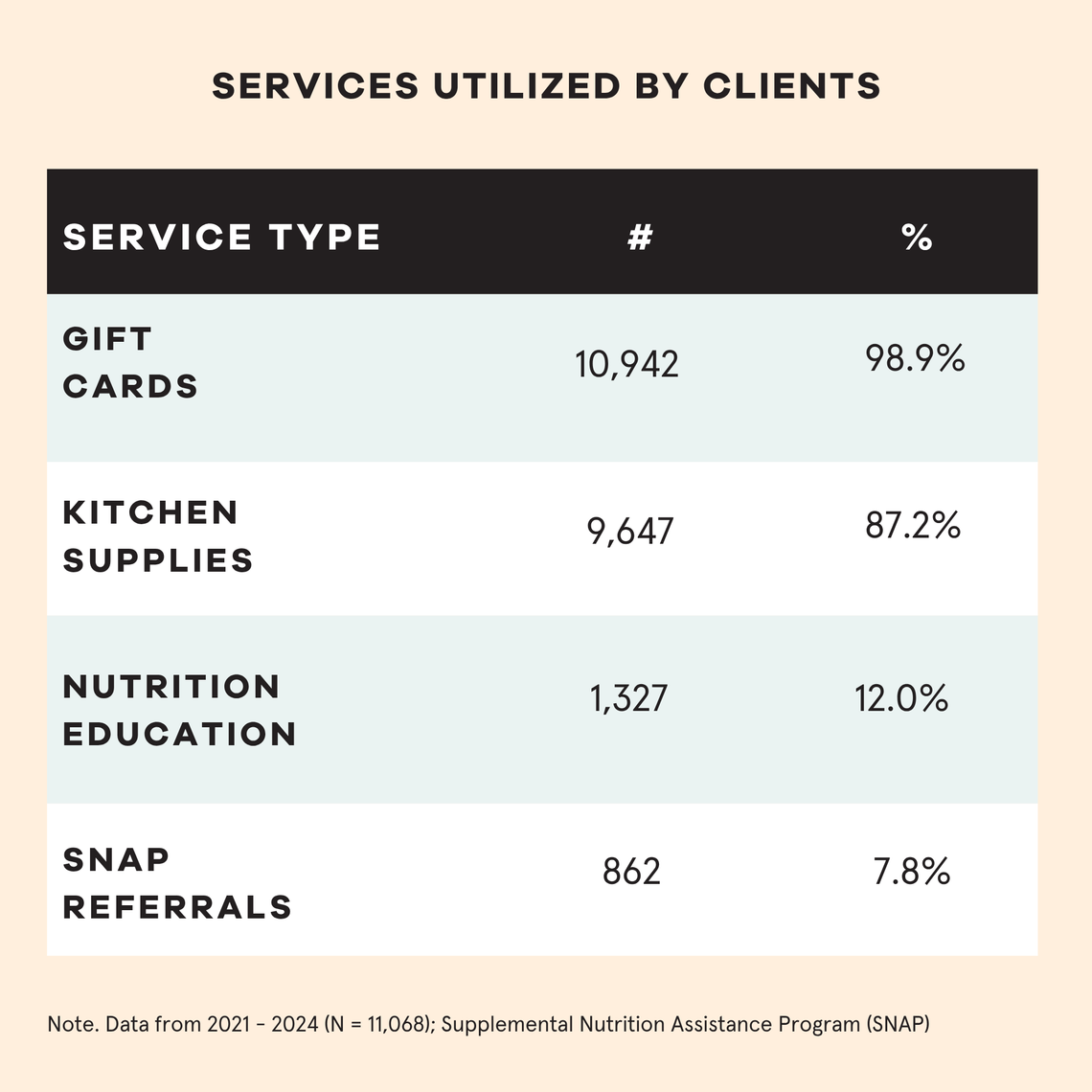
Relative to service utilization, nearly all clients (99%) received food vouchers and most (87%) received kitchen supplies. A smaller share participated in nutrition education through classes or counseling (12%), and 8% of clients received direct referrals to Project Bread’s FoodSource Hotline for help connecting to SNAP.
Cost Savings
Program participation linked to measurable savings for health plans
There is evidence that Project Bread’s Flexible Services Program demonstrates cost savings for Accountable Care Organizations (ACOs) through the reduction of avoidable healthcare utilization. Data from Project Bread’s partner ACOs found that the program not only lowers overall health care expenditure but also contributes to a reduction in emergency department visits.
Reported by ACO Partner
$10.35 million saved
Across 1,629 clients in one year
“They don’t go to the emergency room anymore. Before, they used to go to the emergency room a lot, because they’re looking for food, looking for water.””
Community Health Worker


Using payer claims data, in a sample of 1,629 members for one ACO partner, members served by Project Bread experienced a reduction of 28.8% in total cost of care per member in the 12-month period before enrollment with Project Bread compared to the 12-month period after enrollment. This reduction is equivalent to approximately $6,360 in annual savings per member, or more than $10.35 million in total annual cost-of-care savings.
Similarly, another ACO partner reported measurable declines in emergency department visits at both six- and twelve-month follow-up intervals. These changes were associated with an estimated $1,100 per member in cost savings relative to a comparison group, indicating that the program may help reduce high-cost, preventable care episodes.
Health Outcomes
Program participation linked to improved Type 2 Diabetes management
Data from one ACO partner indicate that Project Bread’s Flexible Services Program was associated with measurable improvements in Type 2 diabetes outcomes. Among clients who entered the program with the poorest glycemic control, average A1c levels fell from 10.94 to 9.55 within six months, suggesting meaningful improvements in blood glucose control over a relatively short period.
Average A1c levels fell from 10.94 to 9.55 within six months

Program Outcomes
Program shows significant improvements in food security, dietary habits, and nutrition-related skills
Of the 11,068 clients included in the present analysis, 8,469 completed six months of Project Bread’s Flexible Services Program, resulting in a retention rate of 76.5%. The analysis presented here uses all available paired data from initial assessment to six-month follow-up calls to assess changes in key indicators of interest.
“I’ve had patients tell me that they’ve been able to feed their families during these hard times.”
Community Health Worker

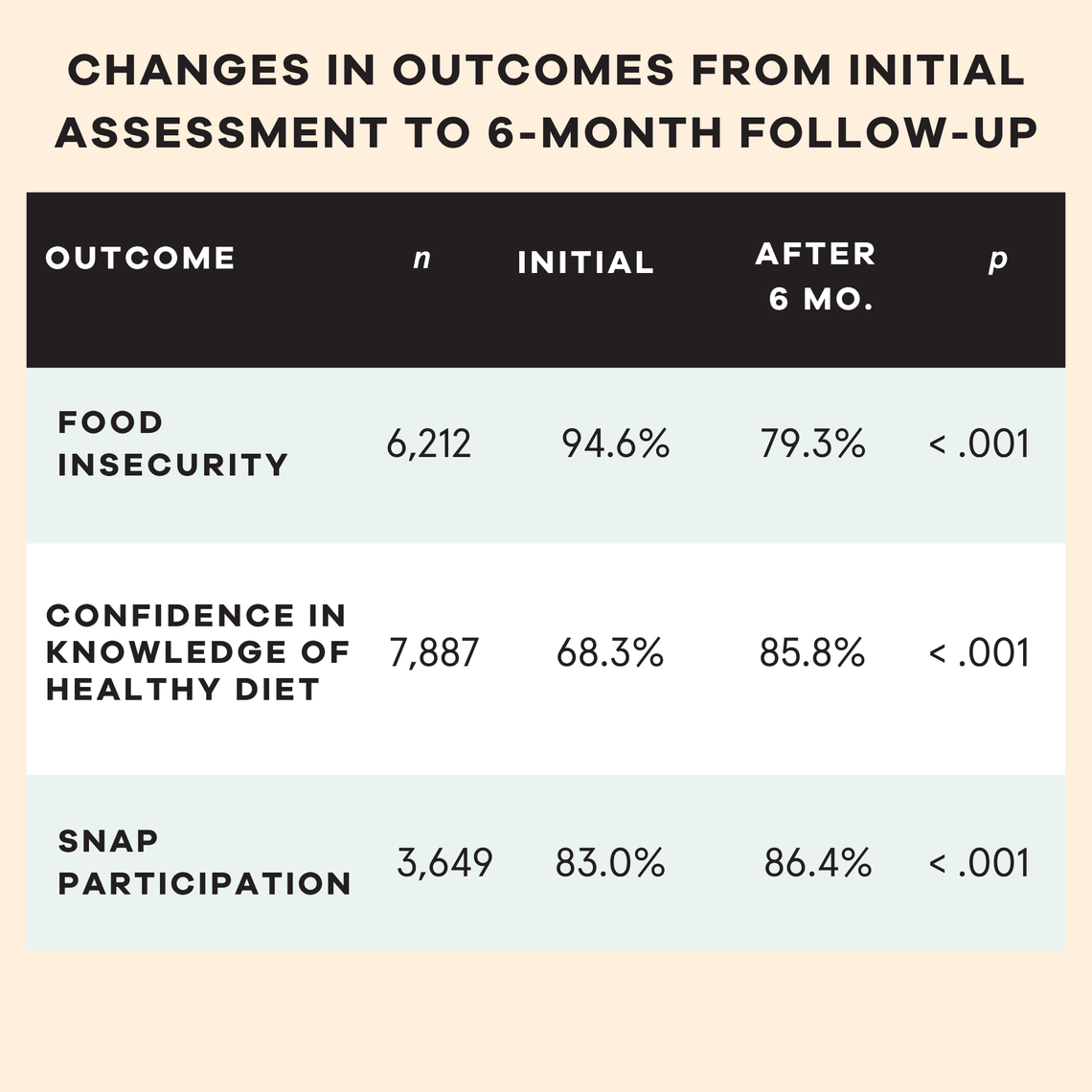
Participation in the program was associated with meaningful improvements in self-reported food security, dietary habits, and nutrition-related skills among clients, demonstrating the program’s effectiveness in supporting healthier behaviors and overall well-being. Notably, the rate of food insecurity among clients decreased by 15.3 percentage points, from 94.6% at the initial assessment to 79.3% at program completion.
Clients reported an average increase of 0.6 servings of fruits and vegetables per day, equivalent to roughly four additional cups per week. Clients’ confidence in their nutrition knowledge also grew substantially, rising from 68.3% feeling confident at the initial assessment to 85.8% at program completion, an increase of 17.5 percentage points.
“I gained more knowledge. With more knowledge, you can guide your family, your siblings, your parents. You want them to have a healthy diet so they don’t have to go to the hospital every day to take the medicine there. Sometimes we learn which foods to eliminate and which ones we should eat more of. That helped me a lot.”
Former Client
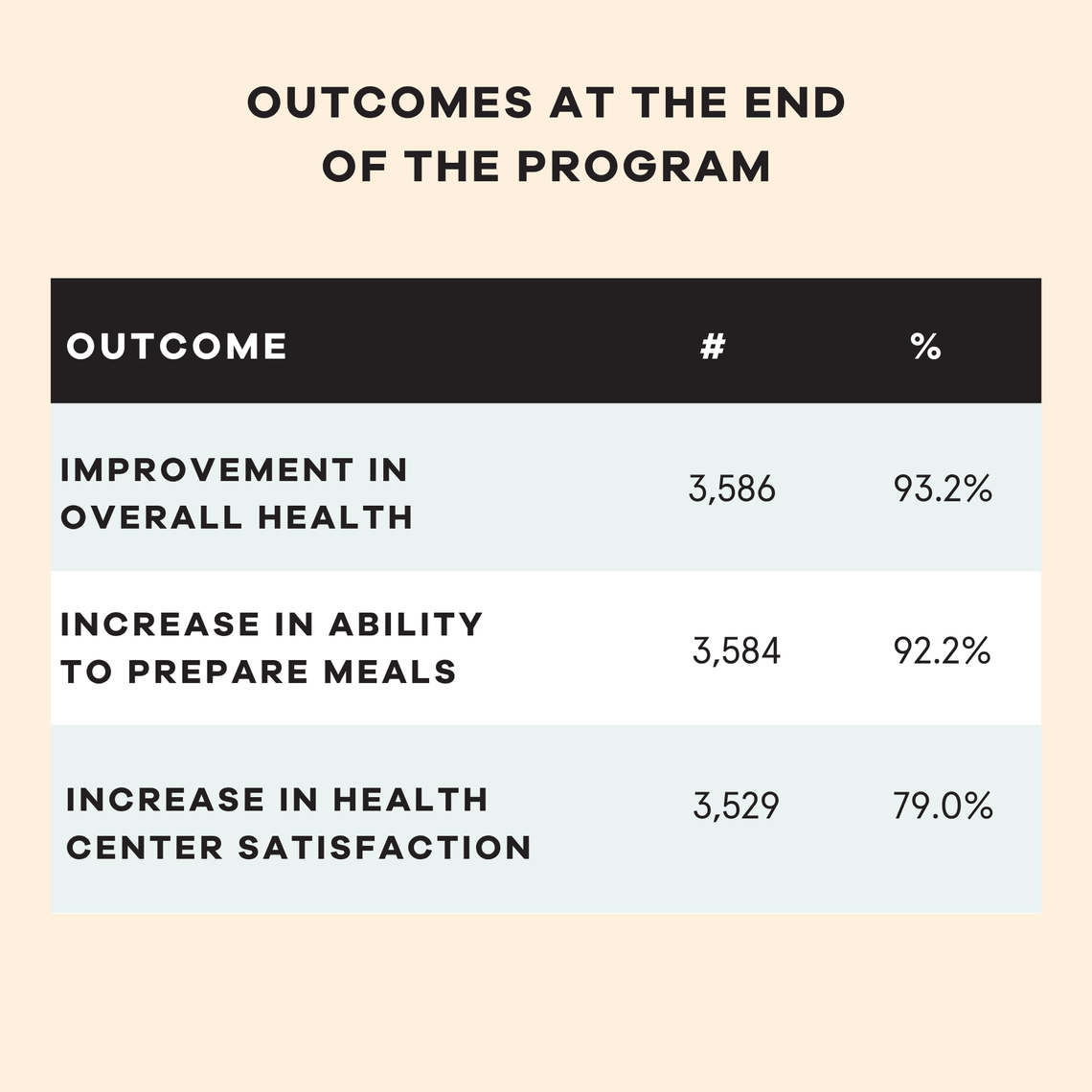
Most clients also reported improvements in health and food preparation abilities. Specifically, at the end of the program, 93.2% of clients indicated that the program helped them improve their overall health, and 92.2% reported enhanced ability to prepare healthy meals.
In addition, participation in SNAP was high at initial assessment and increased over time, with 83% of members enrolled at initial assessment and 86.4% participating in SNAP by the end of the program. Among participants not receiving SNAP at initial assessment, many of those who were potentially eligible received direct referrals to the FoodSource Hotline; the referrals prompted notable uptake as 38% of those for whom follow-up data was available had taken steps toward enrollment, suggesting the program helped support SNAP engagement. Collectively, these outcomes demonstrate that the program supported food security and behavior change.
Clients reported measurable improvements in food security and confidence in nutrition knowledge as a result of being in the program.
Program Outcomes & Service Utilization
Clients who received food vouchers, kitchen supplies, and nutrition education experienced significant improvements across several outcomes
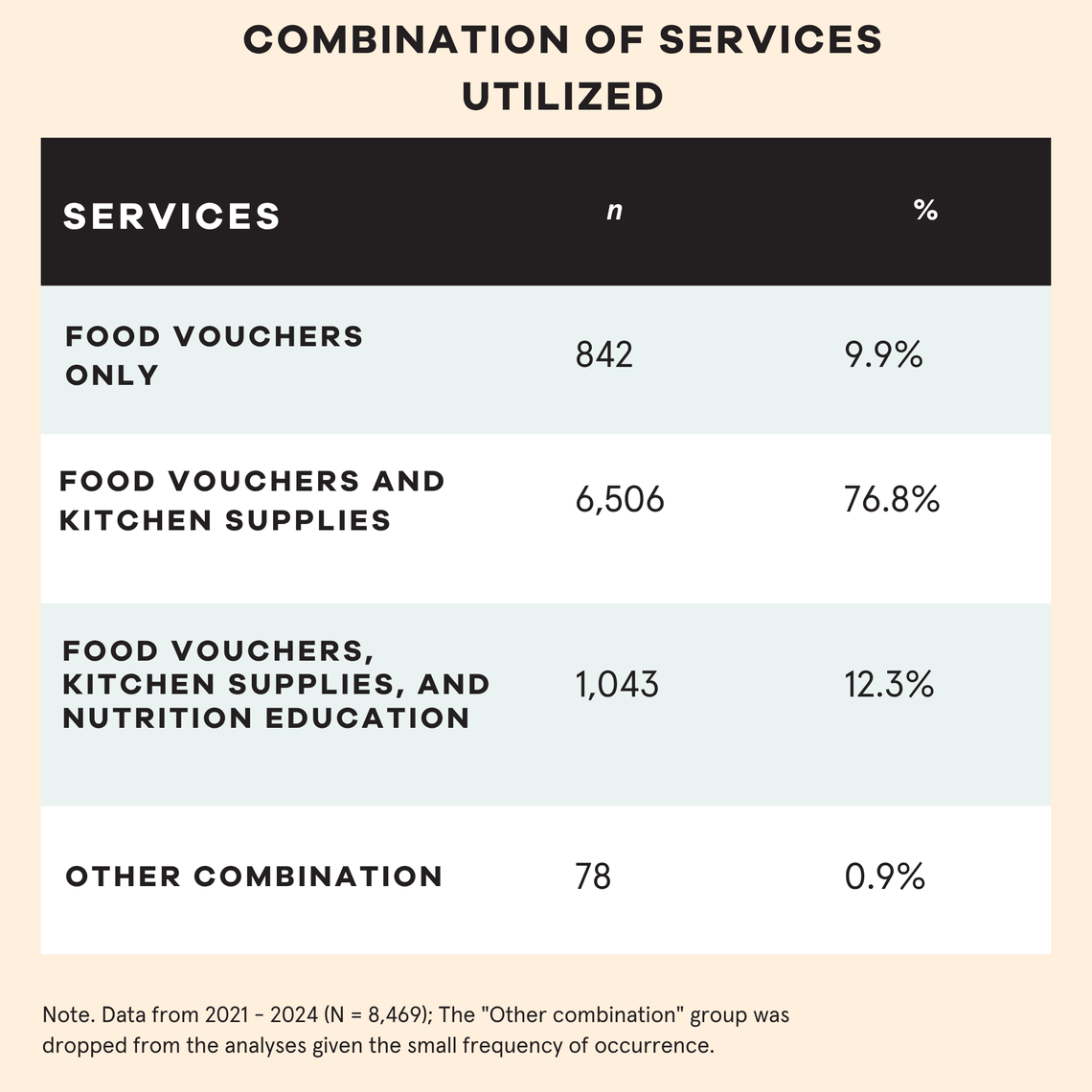
The 8,469 clients who completed six months of programming were grouped by the services they utilized in order to assess how changes in food security, diet, and self-reported health outcomes may vary across the groups. The service utilization groups are as follows: food vouchers only (9.9%), food vouchers and kitchen supplies (76.8%), food vouchers, kitchen supplies, and nutrition education (12.3%), and other combination (0.9%). The “other combination” group was dropped from the analyses given the small frequency of occurrence.
Grouping services made it possible to examine the added benefits of including kitchen supplies and nutrition education with food vouchers, showing that providing clients with additional services can contribute to stronger outcomes over a six-month period. The analysis revealed that clients who received nutrition education in addition to food vouchers and kitchen supplies experienced the most pronounced improvements. These clients showed the greatest increase in fruit and vegetable consumption, averaging about one-third more cups per day, or about two additional cups per week, compared to clients who received food vouchers and kitchen supplies alone. Similarly, the group who received nutrition education in addition to food vouchers and kitchen supplies had their self-reported health ratings improve more markedly. For those asked about overall health, the average rating shifted 0.4 points on a 5-point ordinal scale. The clients asked to rate physical health followed a similar pattern, with the group who received nutrition education in addition to food vouchers and kitchen supplies demonstrating the largest gains, approximately 0.2 points higher than both other groups.
Beyond measurable health outcomes, receiving nutrition education also contributed to confidence in nutrition knowledge. Clients who received nutrition education in addition to food vouchers and kitchen supplies showed bigger gains in confidence in knowledge of nutrition, compared to the other groups.
Taken together, these findings suggest that integrating nutrition education with food vouchers and kitchen supplies not only supports dietary improvements but also enhances overall health and nutrition knowledge. This evidence indicates that this layered approach provides more benefits than food vouchers and kitchen supplies alone.

Improved Provider Relationships & Lasting Benefits
Program promotes increased satisfaction with healthcare providers
At the conclusion of the program, clients were asked whether participation had affected their relationship with their healthcare providers. Nearly 8 out of 10 participants (79%) reported that the program had a positive impact on these relationships.
“I think it’s comforting to them that their needs are being addressed, so we can shift our conversation to the behavioral health and medical concerns that they might have.”
Community Health Worker
“Our relationship has changed for good because now she sends me all the resources she finds. And she tells me: ‘I don't know if you need it or not, but just in case.’ I feel that me asking for help and her connecting me with the Project Bread program, she now has an awareness that maybe I need more help or maybe, we all need help, whether we asked for it or not, we all need it.”
Former Client
Clients also consistently reported feeling respected and supported by Project Bread’s program personnel throughout their participation, which likely contributed to the positive impact they experienced in their relationships with other healthcare providers.
Follow-up surveys from six months after program completion revealed the lasting benefits of the program. In one round of surveys, all fifty of the clients surveyed reported that they had continued to use kitchen supplies provided by the program to prepare healthier meals. In another study of 204 clients, where 77.9% were enrolled in the Supplemental Nutrition Assistance Program (SNAP) upon program completion, the rate of SNAP enrollment six months later was 77.0%, reflecting continued engagement with federal nutrition assistance. Taken together, these insights highlight the program’s effectiveness in strengthening client-healthcare provider relationships and supporting clients post-program.
Policy Recommendations
Our findings clearly demonstrate that integrating food and nutrition services into health care improves health outcomes, reduces hunger, and decreases avoidable health care costs. Massachusetts’ Flexible Services Program fulfilled its purpose as a demonstration by showing that addressing food insecurity through MassHealth is effective and cost-efficient. On January 1, 2025, the program transitioned to the Health-Related Social Needs (HRSN) program, a supplemental covered benefit for eligible MassHealth members enrolled in ACOs. The transition to the HRSN program represents meaningful progress toward permanence.
At the same time, the evidence is clear that time-limited waivers and supplemental benefits are not sufficient to sustain these outcomes over the long term. Continued reliance on waiver authority creates uncertainty for patients, health care providers, and community-based organizations, and risks disrupting care for patients with ongoing health and nutrition needs.
The research also points to several consistent lessons: a combination of available interventions produce stronger outcomes than food assistance alone; health care-based food security interventions are most effective when they are connected to the broader food security system, including federal nutrition programs like SNAP that provide sustained support; and finally, strong partnerships between health care providers and community-based organizations are essential to delivering culturally responsive care and building patient trust.
Together, these findings point to two core priorities: food and nutrition services must be permanently integrated within health care services, and the food security programs that support the health care-based interventions must be protected and strengthened.
Achieving these goals will require coordinated action at both the state and federal levels, including administrative, programmatic, budgetary, and legislative steps. Based on the evidence in this report, Project Bread offers the following recommendations:
Recommendation
Permanently Integrate Food and Nutrition Supports into Healthcare
Food and nutrition services should now move from demonstration to permanent coverage within the Commonwealth’s healthcare system.
-
Massachusetts leaders should ensure full funding and continuity of food and nutrition services within MassHealth. This includes continuing all existing services in the current 1115 waiver and preventing disruptions during future waiver transitions.
-
Massachusetts leaders should establish a pathway to permanent MassHealth coverage. Food and nutrition services should move beyond waiver-based authority into permanent coverage with designated billing codes.
-
Federal policymakers should build on Massachusetts’ experience. Federal policymakers should ensure all states can cover food and nutrition services through Medicaid, without the need for a waiver, and create clear pathways to expand these services across additional payment structures, such as Medicare and private insurance.
Recommendation
Protect the Full Network of Food Security Interventions
Healthcare-based nutrition services cannot succeed in isolation. The research shows that strong outcomes depend on consistent access to affordable food beyond the clinic. SNAP participation remained high among program participants, but benefit levels were often insufficient and access remains unequal. Federal changes under the One Big Beautiful Bill Act (OB3) will further reduce eligibility and create confusion that deters eligible households from applying or staying enrolled.
To protect the progress demonstrated in this report, stronger action is needed.
-
Massachusetts leaders should strengthen SNAP access and adequacy. This includes investing in Department of Transitional Assistance (DTA) staffing and systems, fully implementing the common application to connect MassHealth members to SNAP, and pursuing a state SNAP supplement to address the gap between current eligibility and/or benefit levels and the true cost of food for families.
-
Massachusetts leaders should mitigate the impacts of OB3. This includes addressing eligibility losses tied to expanded work reporting requirements and immigrant exclusions and countering the chilling effect that keeps eligible households from seeking assistance.
-
Massachusetts leaders should sustain complementary nutrition programs. This includes full funding for universal school meals and continued investment in the Healthy Incentives Program (HIP), which increases purchasing power for fruits and vegetables and reinforces the health gains seen through healthcare-based interventions.
-
Federal policymakers should protect and strengthen SNAP and Medicaid. Federal action is essential to prevent benefit reductions and preserve eligibility by overturning the harmful impacts of OB3 and investing in increased benefits and eligibility for these critical programs.
Let’s keep the wins going. Make HRSN permanent. We can deliver better health and lower costs for all of Massachusetts.

Project Bread is committed to supporting the future of food access through health care
At Project Bread, we know that food insecurity is a public health issue with far-reaching consequences for families and communities across Massachusetts. Project Bread’s Flexible Services Program demonstrated that when food and nutrition supports are integrated into health care delivery, they not only reduce food insecurity but also improve health outcomes, strengthen relationships between patients and providers, and lower healthcare costs. Our work shows that combining nutrition education with food resources produces lasting improvements in dietary habits and well-being.
MassHealth’s transition from the Flexible Services to the Health-Related Social Needs (HRSN) program is a major milestone, reflecting what we have long known: health care serves as a critical access point for addressing food insecurity. But temporary waivers cannot sustain these gains. We urge MassHealth to make HRSN a permanent, fully covered benefit, ensuring that every resident can access the food and nutrition support they need. At the same time, federal and state programs such as SNAP, school meals, and the Healthy Incentives Program must be strengthened and protected, because healthcare-based interventions cannot succeed in isolation.
By making healthcare-based food and nutrition services permanent and fully integrated, Massachusetts will lead the nation in addressing food insecurity as a solvable problem.
Food Insecurity is a Public Health Issue
Acknowledgements
This research report reflects the collaborative efforts of our team and partners. We are grateful to Community Care Cooperative, our founding ACO partner whose collaboration was instrumental in shaping and conceptualizing this model. We also thank our ACO partners and MassHealth for their ongoing partnership, guidance, and shared commitment to improving care delivery and addressing food insecurity, as well as for the trust placed in us to care for their patients.
Thank you to our Healthcare Partnerships staff for their dedication and support throughout the project; without their commitment, this work would not be possible. We are grateful to the community health workers who participated in and supported this research, offering insights that strengthened both the study and the program. We extend our gratitude to the clients who participated in the program and shared their time and lived experiences across multiple stages of research. Their voices were central to shaping the program and advancing the goals of this work.
Finally, we would like to thank the Dana-Farber Cancer Institute for its generous financial support, which made this work possible.
Suggested citation:
Project Bread. Addressing hunger through healthcare: an evaluation of Project Bread’s Food Is Medicine intervention. 2026.